Window Colours & Finishes
How to Get the Hamptons Look With Aluminium Windows: Colours, Proportions & Pairings
By Sheng Xu · 30 September 2026
AI-generated illustrative image. Not a product test, certification record or project evidence.
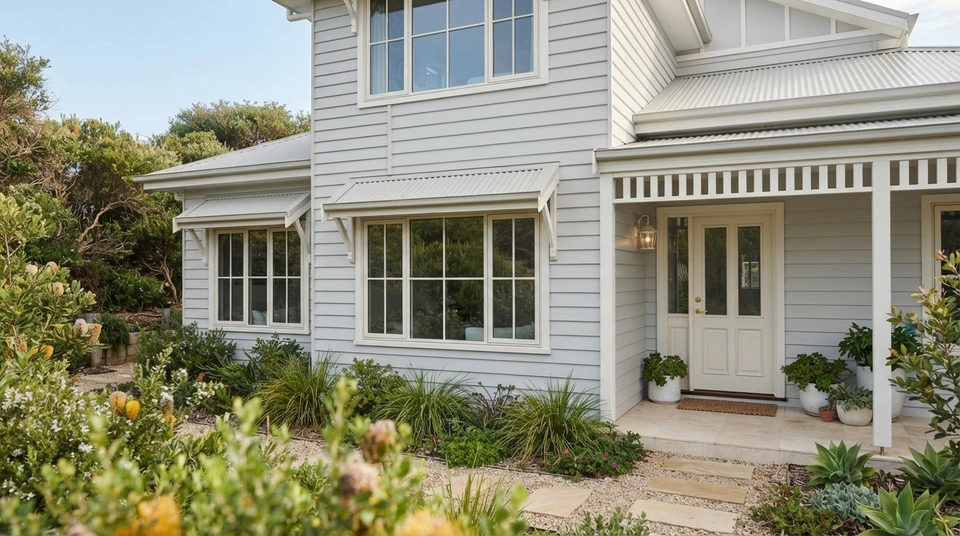
To achieve an authentic Hamptons look with aluminium windows in Australia, select soft off-whites like Colorbond-matched Surfmist to avoid coastal glare, or crisp whites for sharp contrast against grey weatherboards. Choose double-hung or paired awning windows with colonial glazing bars for heritage street appeal, balance them with expansive sliding windows for outdoor living, specify deep timber reveals with external architraves for shadow lines, and mandate super-durable marine powder coatings near salt water.
Achieving an authentic Hamptons coastal aesthetic with aluminium windows in Australia requires careful balance across colour selection, frame proportions, glazing bar patterns, and marine-grade protective finishes. While traditional Long Island coastal estates relied on painted timber double-hung joinery, modern Australian builds achieve the same classic elegance with powder-coated aluminium frames that eliminate seasonal swelling and endless repainting. Success comes down to four fundamental design decisions: choosing between a crisp architectural white or a softer off-white such as Colorbond-matched Surfmist, balancing vertical window proportions with expansive horizontal sliders, framing the joinery with generous timber reveals and external architraves, and specifying the correct powder-coat durability tier for your distance from the ocean.
Step 1: Choosing Your Hamptons Window Frame Colour: Crisp White Versus Surfmist
The colour of your aluminium window frames sets the tone for your entire facade. In Australian Hamptons architecture, the two leading frame colours are clean architectural whites—such as Pearl White or Appliance White—and softer, warm off-whites, with Colorbond-matched Surfmist being the most widely specified neutral. Each option creates a distinctly different relationship with your exterior walls and coastal light.
Crisp whites deliver the high-contrast silhouette that many homeowners associate with classic American East Coast architecture. When paired with darker weatherboards painted in charcoal, deep navy, or mid-tone greys, bright white frames create a sharp, tailored outline around every opening. However, under the harsh glare of the Australian summer sun, high-gloss or ultra-bright white frames can reflect an uncomfortable amount of glare and may appear stark against softer natural landscaping.
Colorbond-matched Surfmist provides an understated, relaxed alternative that has become a staple of contemporary Australian coastal design. Surfmist is a soft off-white carrying subtle grey and warm undertones, formally documented on Colorbond steel with a hex code of E4E2D5, an RGB value of 228 226 213, a solar absorptance of 0.33, and a Solar Reflectance Index of 81. When specified as an architectural powder coat on aluminium extrusions, Surfmist softens the boundary between the window frame and pale cladding, producing a gentle tone-on-tone aesthetic rather than a jarring visual jump.
When choosing your frame colour, consider that standard residential aluminium windows feature the same powder-coat finish on both the exterior and interior faces. If you select Surfmist for your facade, that same warm off-white will frame your views from the living room, bedrooms, and kitchen. For homeowners seeking guidance on coordinating walls, cladding, and front doors with this finish, our companion guide on what colours go with Surfmist window frames details recommended exterior paint palettes.
Step 2: Selecting Operable Window Configurations: Balancing Character and Modern Living
Traditional Hamptons architecture is defined by vertical window geometry, but modern Australian coastal living demands expansive glass areas, effortless indoor-outdoor flow, and effective cross-ventilation. Successfully adapting the style involves selecting the right window configuration for each elevation of your home.
Double-hung windows represent the heritage archetype of the Hamptons style. Featuring two vertically sliding sashes, double-hung windows accentuate ceiling height and create the balanced vertical proportions that give Hamptons facades their stately rhythm. They are especially effective on front elevations, master suites, and formal sitting rooms where heritage character is paramount.
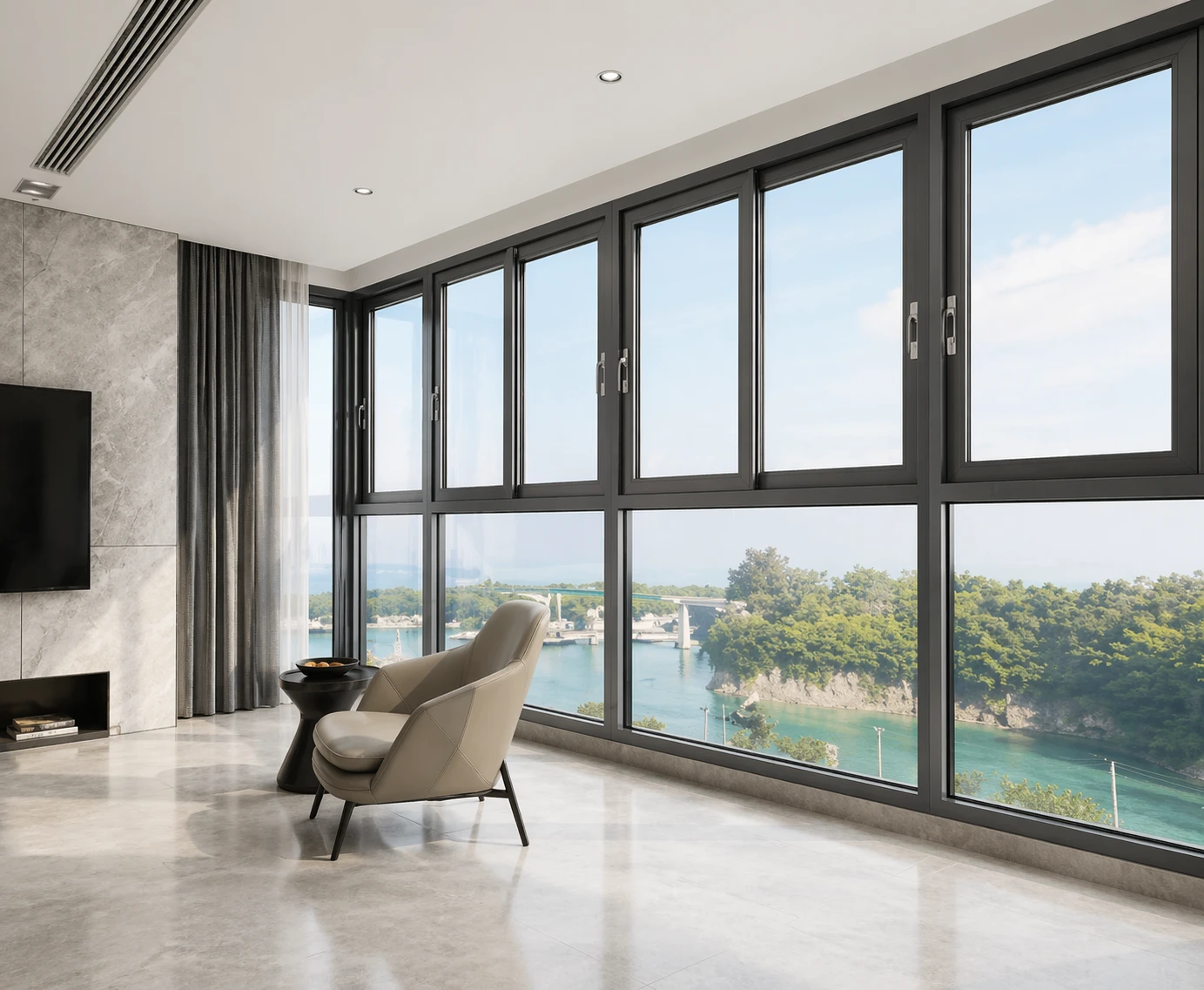
Aluminium sliding windows provide an exceptionally practical solution for side elevations, kitchens, and informal living zones where sweeping views or wide servery counters are required. While bare commercial sliding windows can look utilitarian, modern architectural aluminium sliding windows maintain Hamptons charm when configured with balanced panel widths, substantial frame sightlines, and optional glazing bar details on the moving sashes.
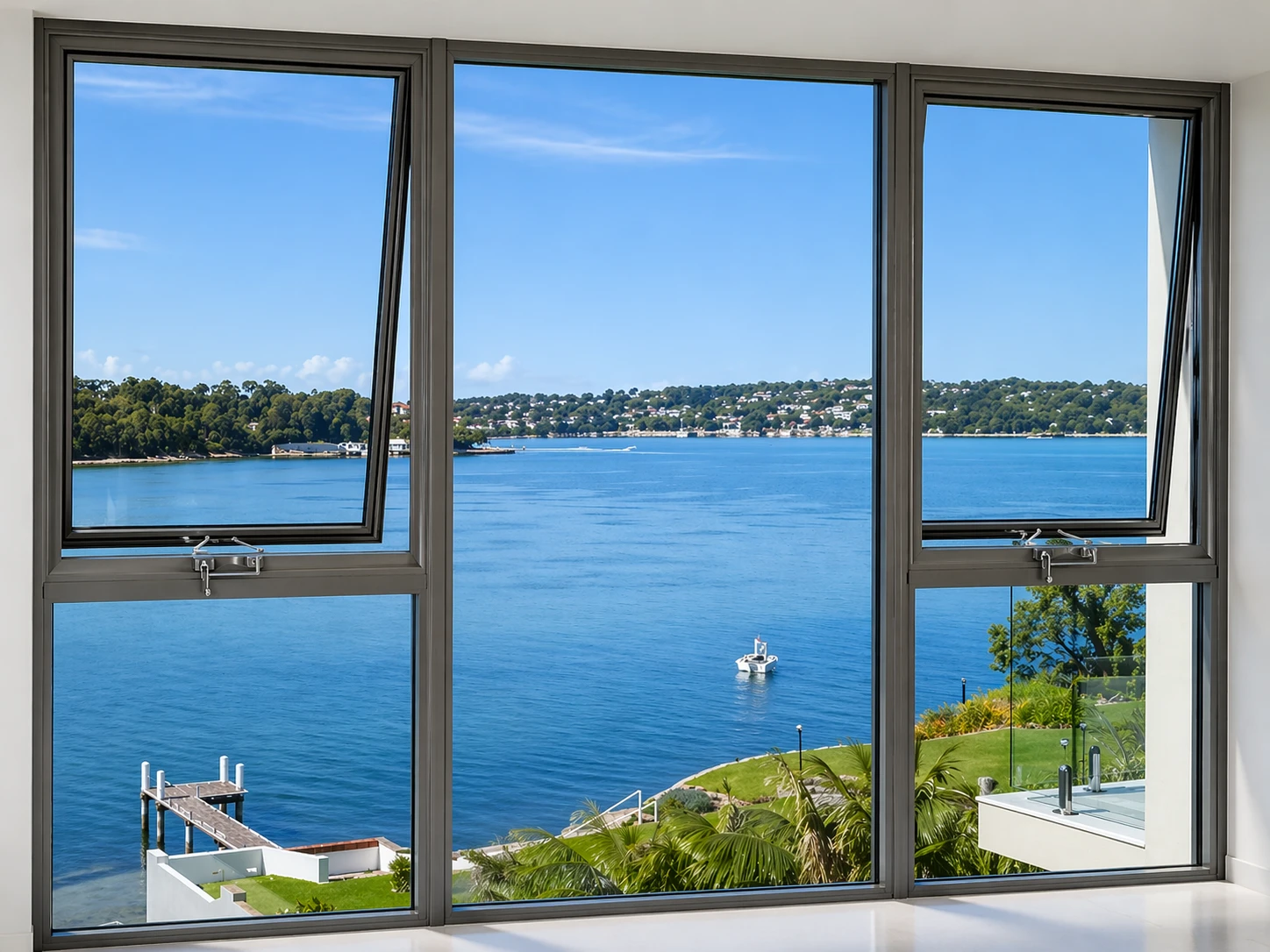
Awning and casement windows offer superior weather-tightness on wind-exposed coastal elevations. Operable awning windows push outward from the bottom, allowing cooling sea breezes to enter during light rain without risking internal water damage. Grouping two or three tall awning windows together within a shared structural frame effectively replicates the vertical proportions of traditional double-hung joinery while providing multi-point perimeter compression seals.
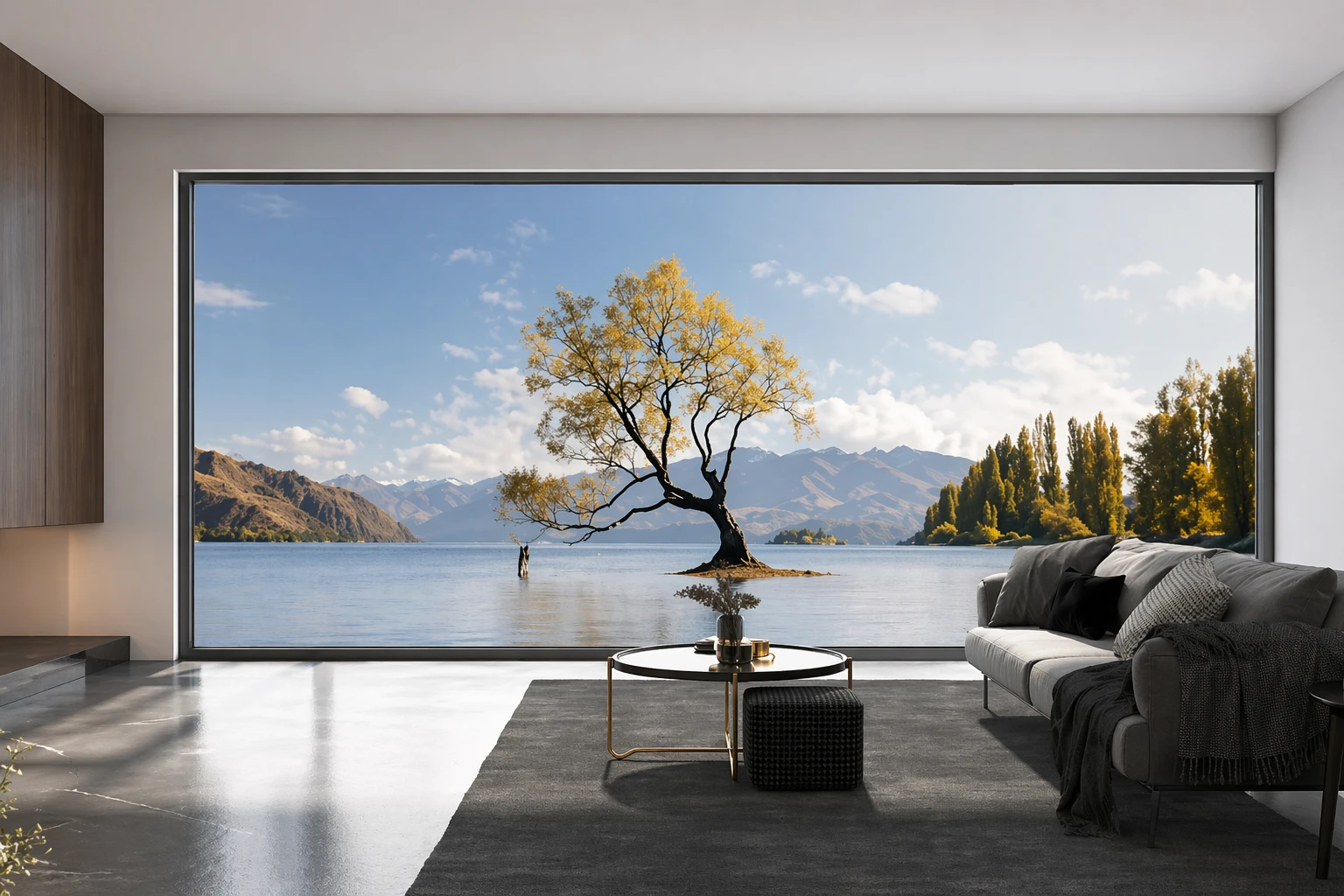
Fixed highlight windows, picture windows, and transom lights above French doors or sliding stackers add the sense of grandeur characteristic of coastal estates. Positioning square or multi-pane highlight windows above primary window groupings draws daylight deep into central living spaces without compromising wall space or privacy.
Step 3: Mastering Colonial Glazing Bars and Sash Proportions
Glazing bars, commonly referred to as colonial bars, are the single most recognisable feature of Hamptons window architecture. Historically necessary because glassmakers could only produce small individual panes, glazing bars today serve a purely aesthetic role, breaking large expanses of modern glass into refined, classic proportions.
In Australian residential projects, two primary colonial bar layouts predominate. The full grid arrangement, such as a traditional four-pane or six-pane grid across each sash, delivers a formal, timeless colonial appearance. The split-sash arrangement, frequently termed the modern Hamptons layout, incorporates colonial bars solely into the top sash or upper third of the window assembly while leaving the bottom glass panel completely clear. This approach delivers classic street charm while preserving panoramic ocean, pool, or garden views from eye level.
When specifying aluminium windows with double glazing, colonial bars are typically installed in one of two ways. Internal colonial bars sit securely sealed within the insulated glass unit between the two panes of glass, providing a classic divided-light look with completely smooth external and internal glass surfaces that wipe clean without obstruction. Alternatively, adhered external colonial bars are colour-matched aluminium profiles bonded directly to the outer glass surfaces with structural glazing tape, creating authentic physical shadow lines and greater architectural depth.
Step 4: Framing and Reveal Detailing: Creating Architectural Shadow Lines
A common mistake in contemporary Hamptons builds is installing aluminium windows flush with the exterior cladding, which results in a flat, commercial appearance devoid of character. Authentic coastal homes feature deep window recesses that create defined shadow lines around every structural opening.
Achieving this depth starts with specifying factory-fitted timber reveals. Most quality Australian window fabricators attach primed pine timber reveals to the outer perimeter of the aluminium sub-frame, with standard reveal depths ranging from 100 millimetres to 138 millimetres depending on whether your wall construction uses timber framing, steel framing, brick veneer, or double brick. The timber reveal sets the window back into the wall cavity, allowing the aluminium frame to sit comfortably recessed.
On the building exterior, finish the installation by picture-framing the window openings with substantial timber or fibre-cement architraves, typically 90 millimetres to 135 millimetres wide. Painting these wide perimeter trims in a coordinating white or off-white accentuates the craftsmanship of the joinery and completes the substantial, handcrafted aesthetic that distinguishes an authentic Hamptons residence.
Step 5: Specifying Coastal Marine Powder Coatings and Environmental Warranties
Because Hamptons-style homes are predominantly built in coastal, bayside, and beachside suburbs across Australia, selecting the correct architectural powder-coat specification is critical to long-term performance. Marine environments subject aluminium window frames to airborne sea salts, persistent wind-driven moisture, and intense ultraviolet radiation.
Australian powder-coating manufacturers, including Dulux Powders and Interpon, define clear geographic warranty boundaries based on proximity to breaking surf. Standard commercial residential powder coats, such as the Dulux Duralloy range, carry warranty eligibility only for building sites located greater than 100 metres from the high tide line. If your Hamptons build sits within 100 metres of coastal waters, standard coatings can suffer accelerated surface pitting, gloss loss, and chalking.
For marine environments located between 10 metres and 100 metres from the high tide line, architects and builders should specify premium super-durable architectural powder coatings, such as Dulux Duratec or Interpon D2525. These advanced thermosetting polyester formulations provide superior colour retention, film integrity, and chalking resistance under marine conditions. For extreme waterfront properties positioned within 10 metres of breaking waves or tidal harbours, specialised ultra-durable fluoropolymer coatings such as Fluoroset are typically required.
Regardless of the coating tier specified, preserving the appearance of powder-coated window frames in coastal environments requires routine maintenance. Washing exterior aluminium surfaces with warm water, mild neutral detergent, and a soft cloth every three to six months removes salt crusting from sheltered frame crevices that natural rainwater cannot reach, ensuring your joinery retains its pristine coastal finish for decades.
Frequently Asked Questions
Can aluminium sliding windows look authentically Hamptons?
Yes, aluminium sliding windows can capture authentic Hamptons character when detailed correctly. By selecting substantial frame profiles, adding internal or external colonial glazing bars, specifying wide timber reveals, and picture-framing the exterior opening with wide architraves, modern aluminium sliding windows deliver genuine coastal charm alongside smooth gliding operation and excellent energy ratings.
What is the difference between Pearl White and Surfmist for a Hamptons home?
Pearl White is a crisp, bright architectural white that creates strong visual contrast against dark weatherboards or render, making window openings pop dramatically from the street. In contrast, Surfmist is a softer off-white carrying subtle grey and warm undertones that reduces harsh coastal glare and creates a gentle, harmonious tone-on-tone appearance against pale grey, greige, or soft white cladding.
How do colonial glazing bars work with double glazing?
On double-glazed aluminium windows, colonial bars can be installed either internally or externally. Internal colonial bars are mounted inside the sealed airspace between the two glass panes, which keeps the exterior glass faces completely smooth for fast, unobstructed cleaning. External adhered bars are colour-matched aluminium profiles bonded to both outer surfaces of the insulated glass unit, creating tangible shadow lines and authentic heritage texture.
What powder-coat warranty is required for a coastal Hamptons home near the beach?
For Australian coastal homes located within 100 metres of the high tide mark, standard residential powder coatings like Dulux Duralloy are not warranted. Builders must specify super-durable architectural powder coatings, such as Dulux Duratec or Interpon D2525, which provide verified corrosion resistance and colour retention between 10 metres and 100 metres from salt water, backed by regular fresh-water cleaning.
Final Design Checklist for Your Hamptons Window Schedule
Translating the timeless Hamptons aesthetic into modern Australian aluminium joinery is an achievable and practical design goal. Start by deciding whether crisp white or soft Surfmist best complements your exterior cladding and lighting conditions. Balance the classic vertical presence of double-hung windows on front elevations with the expansive functionality of sliding windows in living zones, specify colonial bars that frame rather than obstruct your views, and ensure your window schedule includes deep timber reveals and marine-grade powder-coat warranties. At SMIRO, our architectural aluminium window and door systems can be specified with premium powder-coat finishes and custom configurations tailored to coastal Australian environments. We recommend reviewing physical powder-coat colour swatches in direct sunlight against your chosen cladding materials before finalising your order.