Glass & Glazing
Can you double glaze existing windows or should you replace them?
By Sheng Xu · 4 October 2026
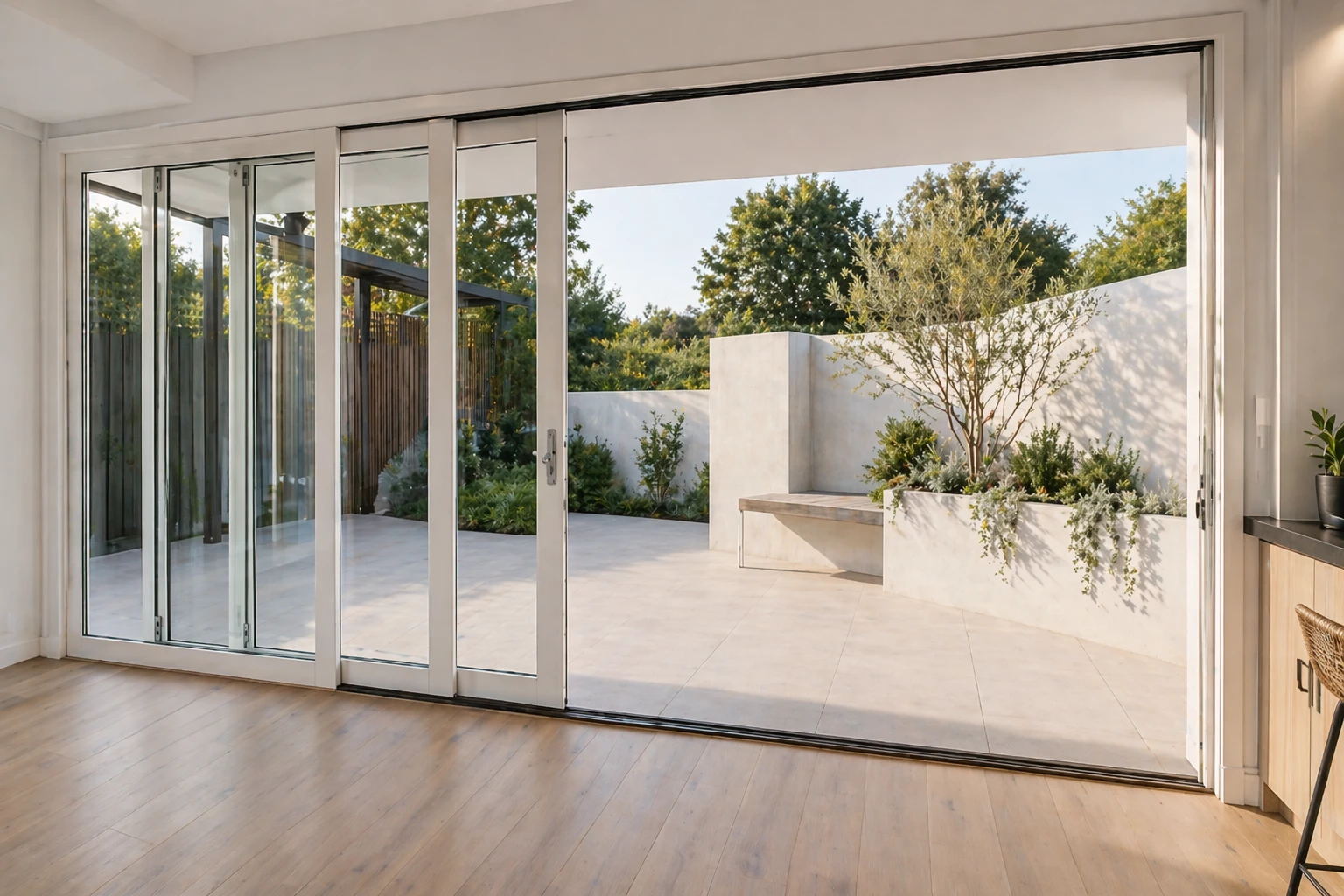
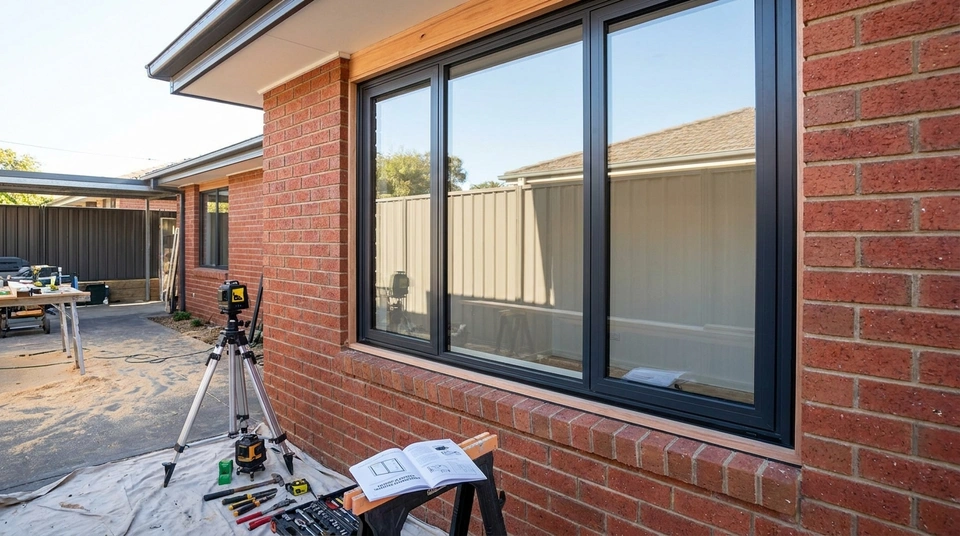
AI-generated illustrative image. Not a product test, certification record or project evidence.
Yes, you can double glaze existing windows in Australia through two methods: retrofit double glazing (inserting a slimline IGU into existing timber or deep aluminium frames for $550 to $1,100 per window) or secondary glazing (adding an independent internal pane for $400 to $850 per window). However, if your existing frames are older single-glazed aluminium (which lack the rebate depth for a full IGU and conduct heat readily) or have worn, drafty seals, full turnkey window replacement ($800 to $2,000+ per window) is the superior long-term investment, delivering brand-new AS 2047 airtight frames, matched thermal performance, and a 30+ year lifespan.
For Australian homeowners living with cold, drafty single-glazed windows, upgrading to double glazing is one of the highest-impact improvements available. However, once you begin researching the market, you will quickly encounter two competing approaches: retrofitting new double-glazed glass into your existing window frames, or undertaking a full turnkey window replacement. Both promise the thermal and acoustic benefits of double glazing, but they involve vastly different levels of construction work, upfront expenditure, and long-term performance.
Understanding whether you can double glaze your existing windows—or whether full replacement is the smarter, more durable route—comes down to frame material, rebate depth, building age, and structural airtightness. While retrofitting can be an attractive, cost-effective solution for heritage timber joinery, putting new glass into older, uninsulated aluminium frames often leaves cold bridges and air leaks completely unaddressed.
Can you double glaze existing windows? The rebate depth reality
Whether your existing windows can physically accept double glazing depends entirely on the rebate depth of the frame:
• Existing Timber Windows: Sound timber windows are generally good candidates for retrofitting. A specialist glazier uses a router to cut away the original timber glazing bead, deepening the pocket to 18mm–24mm so a slimline Insulated Glass Unit (IGU) can be seated and re-beaded with new timber trim. This preserves original heritage joinery while upgrading thermal comfort.
• Older Aluminium Windows: Most post-war Australian aluminium windows (installed from the 1960s through the early 2000s) were extruded specifically to hold a single 3mm or 4mm float glass pane. Their glazing channels are only 8mm to 10mm deep. A standard double-glazed IGU measures 18mm to 28mm thick. Consequently, an IGU physically cannot fit into older aluminium channels without bulky plastic or aluminium adaptor clips that project outward, reduce visible daylight, and compromise structural weathersealing.
Furthermore, retrofit IGUs fitted into restricted rebates are often constrained to narrow 6mm to 8mm cavities. Thermodynamic testing confirms that gas cavities narrower than 9mm conduct significantly more heat than the 12mm to 16mm argon cavities standard in modern purpose-built window systems.
The thermal bridging trap of retrofitting old aluminium
Even when older aluminium frames can be adapted to take an IGU, retrofitting creates an engineered mismatch. Aluminium is an exceptional thermal conductor (~160 W/m·K). Older residential aluminium windows feature solid, continuous metal profiles with zero thermal breaks.
When you install an insulated glass unit into an uninsulated metal frame, the glass stays warm in winter, but the frame remains freezing cold. Indoor heat conducts straight through the perimeter metal into the outdoors. This localized thermal contrast often causes heavy condensation to bead and pool along the bottom aluminium sill extrusion, leaking into adjacent plaster and rotting the timber reveals.
In addition, substantial window-related energy loss occurs through air infiltration—drafts blowing around warped sashes, worn-out mohair brush pile seals, and loose latching mechanisms. Retrofitting replaces the glass pane, but it cannot make a decades-old, rattling sliding sash airtight.
Secondary glazing: when it is the smarter choice
Secondary glazing involves installing a completely separate, independent glazed panel (using glass or optical-grade acrylic in a slim frame) on the interior timber reveal of an existing window, leaving the exterior window completely untouched.
Costing approximately $400 to $850 per window installed, secondary glazing is the most practical choice in two specific Australian renovation scenarios:
1. Strata Apartments: In Australian apartment buildings, windows form part of common property. Strata corporate bylaws strictly prohibit individual owners from changing external window frames or modifying exterior facades. Secondary glazing sits entirely within the apartment's interior lot, requiring no external planning permits or body corporate approval.
2. Severe Low-Frequency Acoustic Environments: Because secondary glazing is fitted to the interior reveal, it creates an expansive 50mm to 100mm+ air separation between the original window and the new pane. This deep cavity provides extraordinary low-frequency acoustic decoupling, achieving certified ratings of Rw 42 to 46 dB—outperforming standard thermal double glazing against rumbling freight trains, diesel buses, and aircraft noise.
The drawbacks: secondary glazing creates two sashes to operate whenever you want fresh air, requires cleaning four separate glass faces, and acrylic panels can scratch or haze over years of cleaning.
Full window replacement: the turnkey structural solution
Full turnkey window replacement removes the existing window completely down to the structural building framework (studs or cavity brickwork), installing a brand-new, factory-manufactured double glazed aluminium window system.
While requiring a higher initial investment ($800 to $2,000+ per window; $15,000 to $35,000+ for a whole home), full replacement provides fundamental long-term advantages:
• 100% Airtight Envelope: New windows are certified to Australian Standard AS 2047 for structural wind load and water penetration resistance, incorporating modern santoprene compression gaskets that eliminate drafts.
• Matched Frame & Glass Performance: Purpose-built aluminium frames feature deep rebates designed to accommodate 20mm to 28mm high-performance IGUs, allowing optimal 12mm–16mm argon cavities and Low-E coatings.
• Structural Reveal Integrity: Replacement includes new timber reveals (pre-primed pine or hardwood), sub-sill drainage flashings, and compliant AS 1288 safety glass throughout.
• 30+ Year Lifecycle: You receive brand-new powder-coated finishes, modern architectural hardware, and comprehensive manufacturer warranties across both frames and sealed glass units.
The fixed window upgrade: cleanest lines, highest return
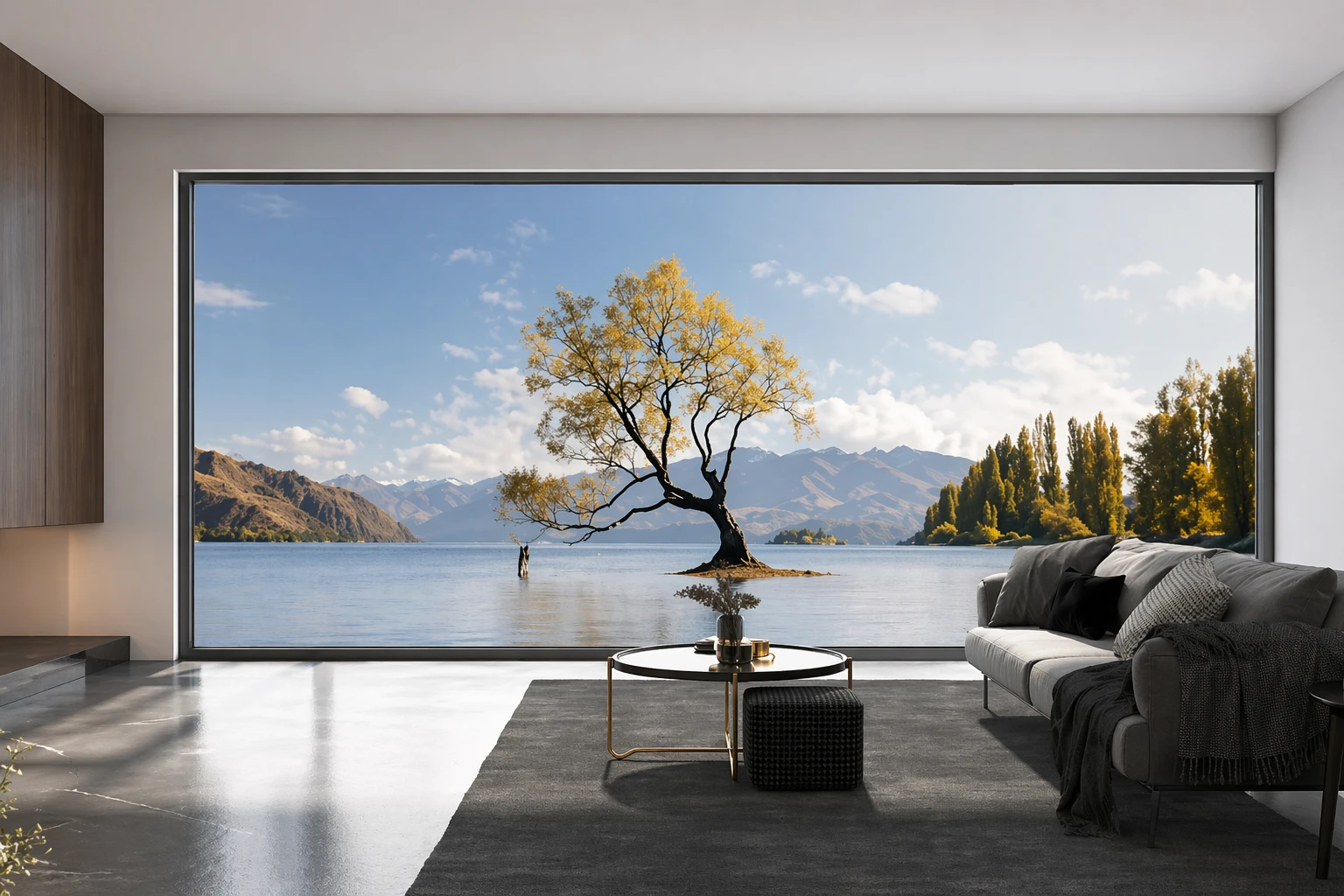
In many Australian renovations, large single-glazed fixed picture windows (in living rooms, stairwells, and entrance halls) are the easiest and most impactful openings to replace entirely.
Because fixed windows contain no operating sashes or mechanical counterweights, removing the old single-glazed frame and installing a new double glazed aluminium fixed window is straightforward and cost-effective ($650 to $1,200 installed). Modern double glazed fixed windows provide razor-sharp architectural sightlines, 80%+ glass-to-frame ratios, and complete airtightness, transforming cold rooms into comfortable, sunlit living spaces.
Pairing replacement double glazed fixed windows with selected operable windows delivers the highest aesthetic and thermal return on your renovation investment.
Decision framework: choosing your upgrade path
Use this practical decision tree to determine the right path for your property:
Choose Secondary Glazing ($400–$850) if: you live in a strata apartment; the property has strict heritage facade protection; or your primary objective is blocking low-frequency train or aircraft rumble.
Choose Retrofit Double Glazing ($550–$1,100) if: you have sound, character timber frames with zero rot in a historic home where retaining original timber joinery is essential.
Choose Full Turnkey Replacement ($800–$2,000+) if: your current windows are older single-glazed aluminium; frames rattle, leak air, or leak water; you want modern slim architectural lines; or you are aiming for compliant NCC 2022 7-star thermal efficiency.
Frequently asked questions
Is retrofit double glazing cheaper than full replacement?
Yes, retrofitting typically costs 30% to 40% less upfront because it avoids removing structural timber reveals, external architraves, and wall flashings. However, if the existing frame is drafty or structurally degraded, the ongoing energy loss and maintenance reduce its long-term cost-effectiveness.
How long does full window replacement take in a typical home?
For a standard 3-to-4 bedroom single-storey home with 10 to 15 windows, professional replacement typically takes 2 to 3 days. Glaziers generally replace windows room-by-room, ensuring no openings are left unsealed overnight.
Will full window replacement damage interior plaster or paint?
In a carefully executed replacement, professional installers remove internal timber architraves, fix the new frame into the structural stud opening, install new timber reveals, and re-trim with matching architraves. Minor touch-up painting around internal trims is normal, but structural plaster damage is rare.