Frame Performance
What is a thermal break in aluminium windows?
By Sheng Xu · 26 July 2026
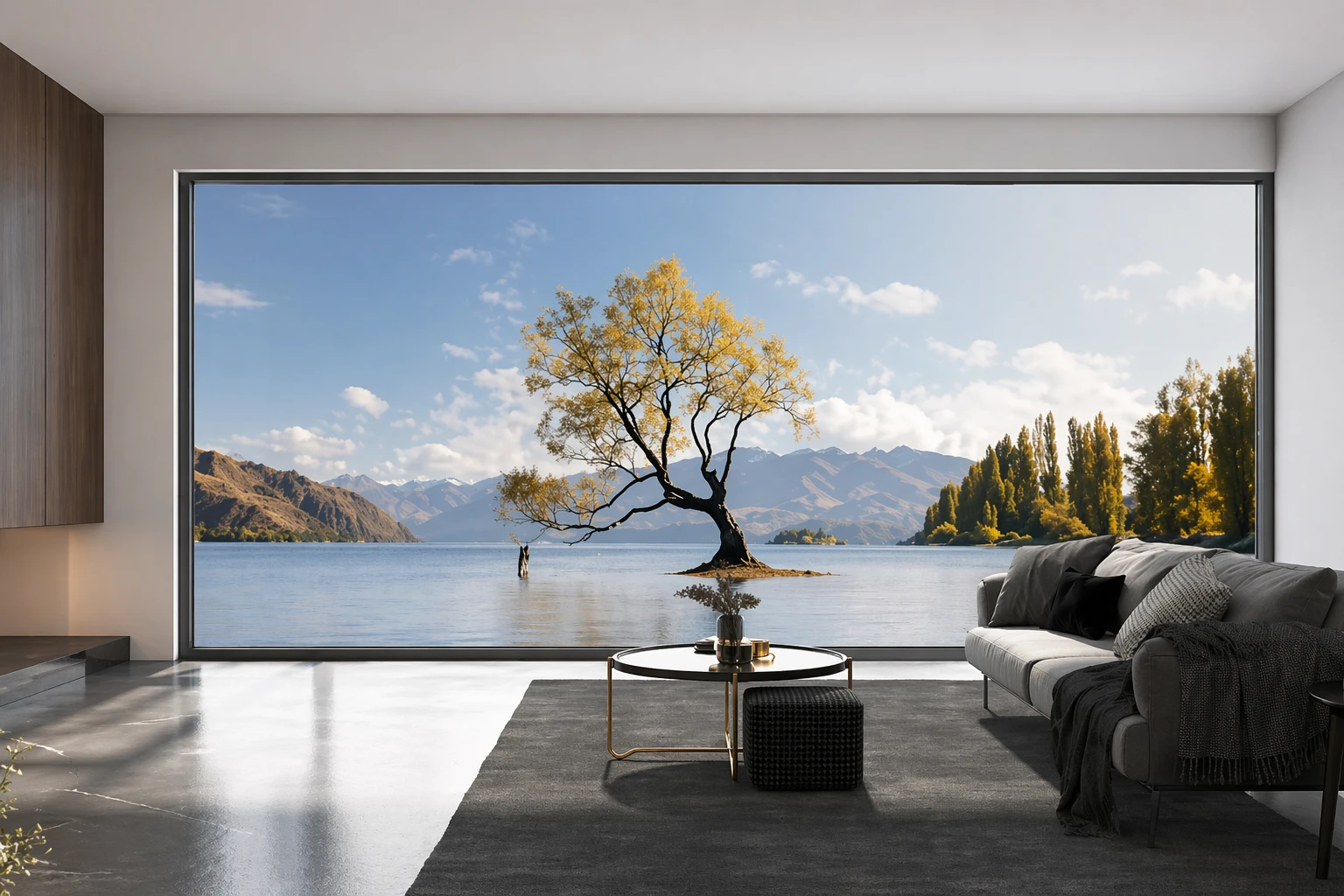
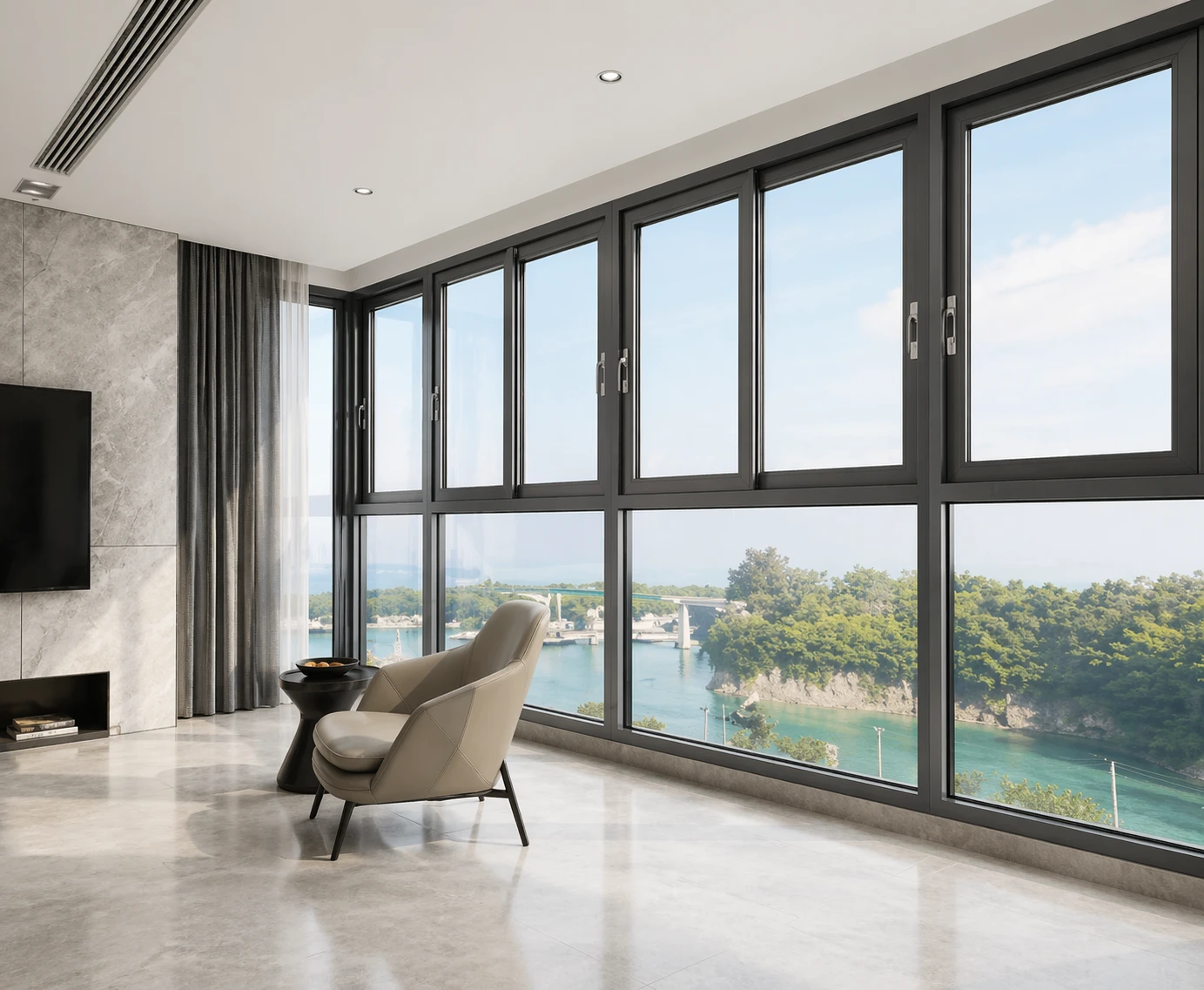
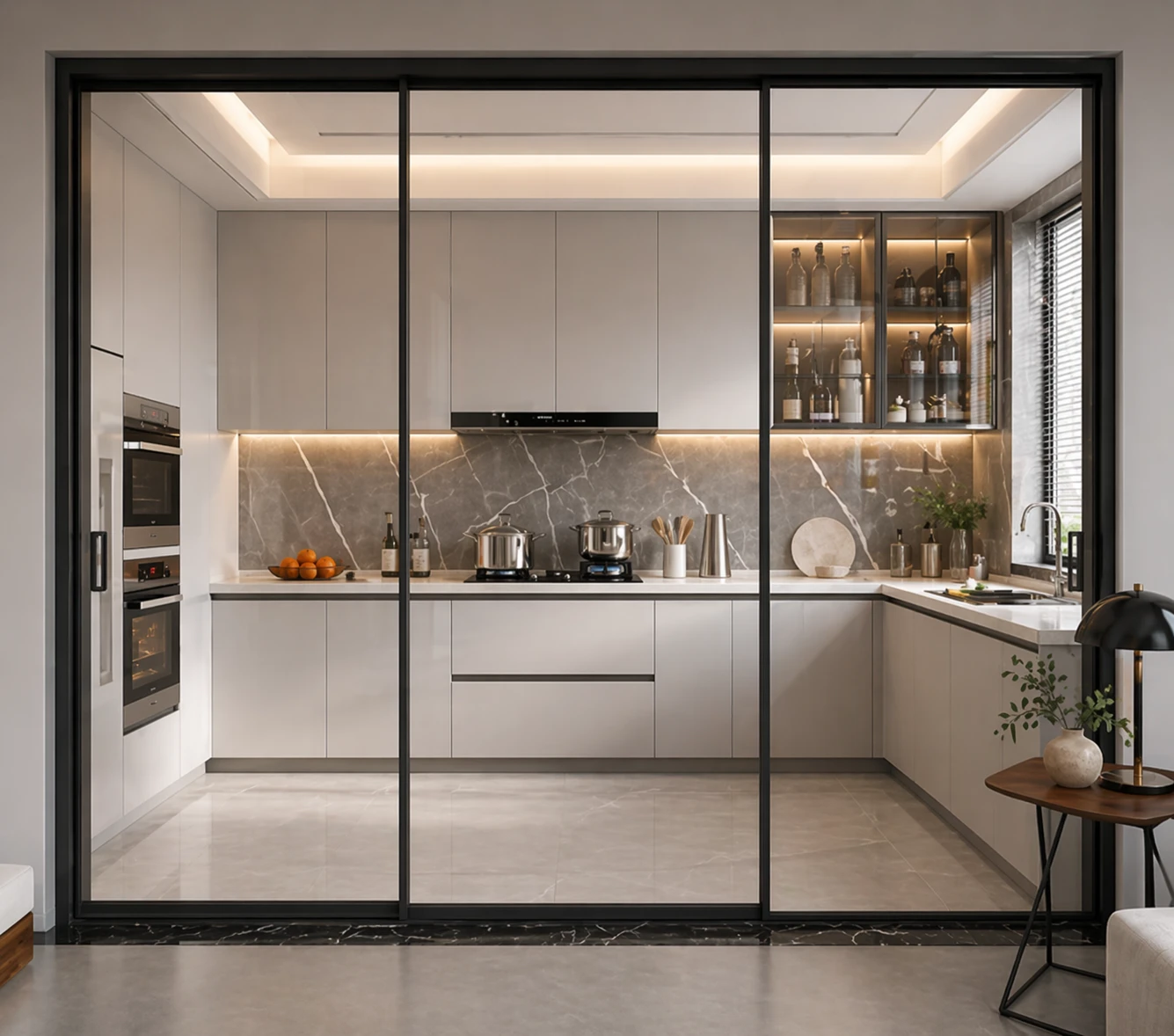
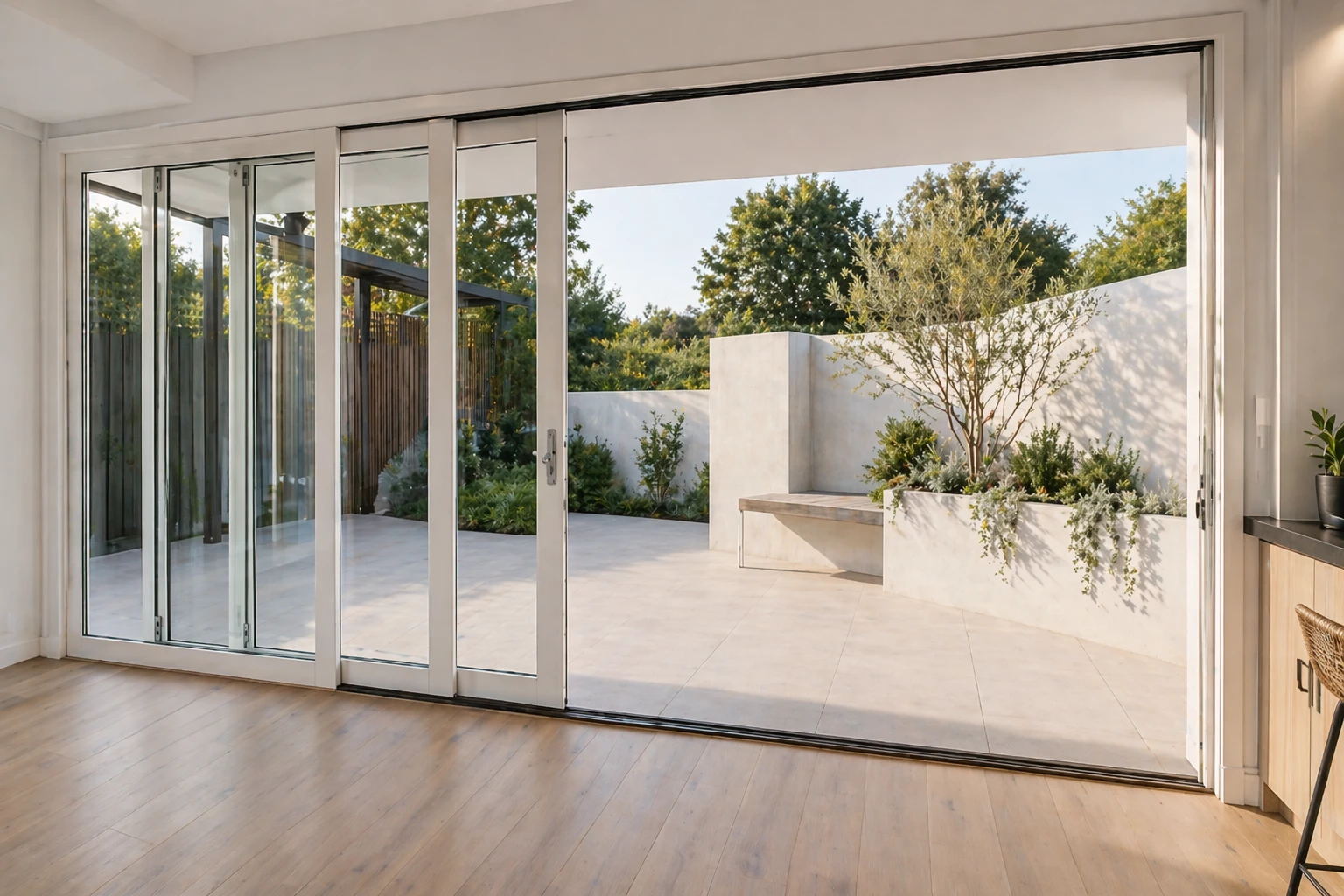
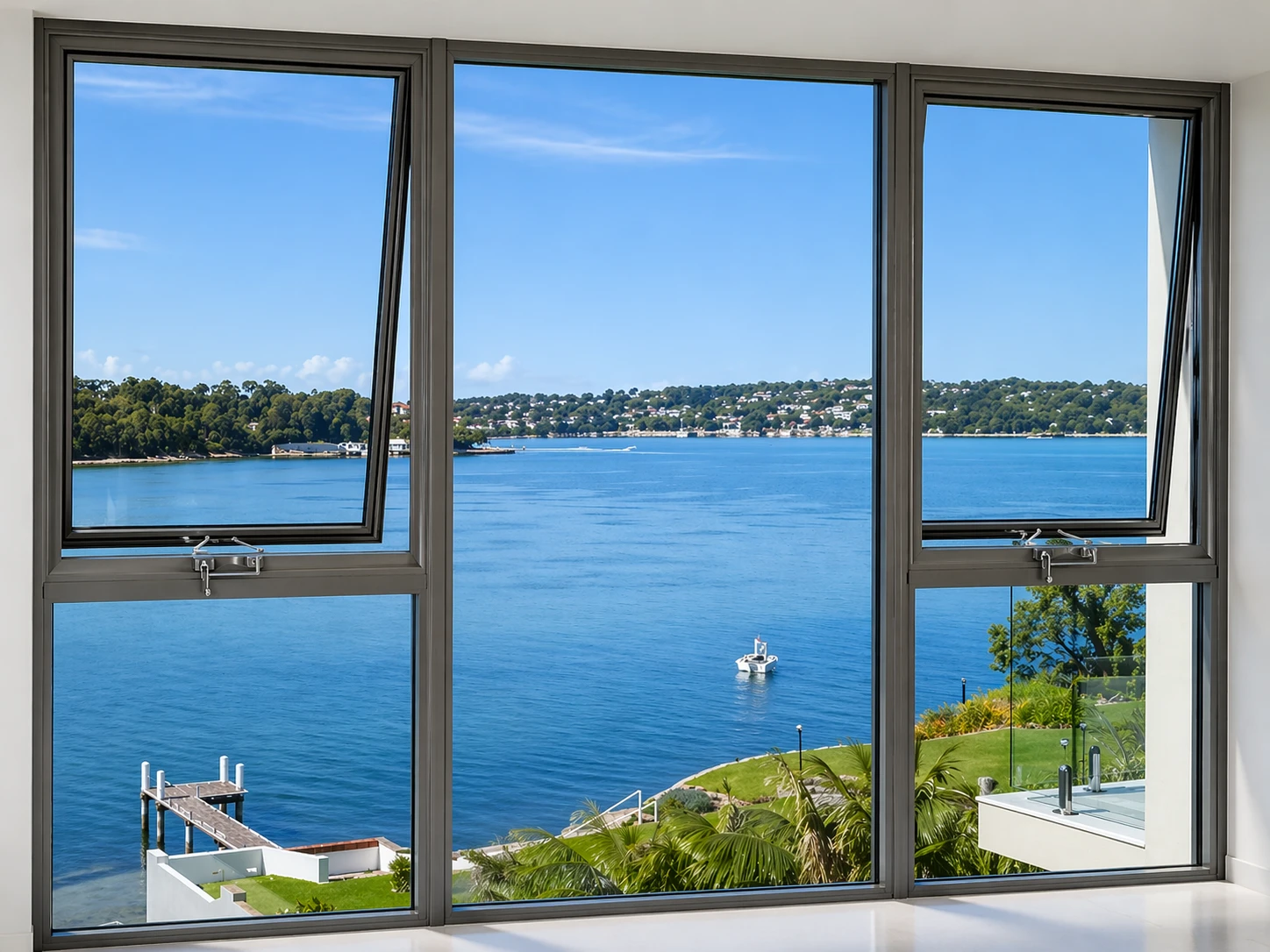
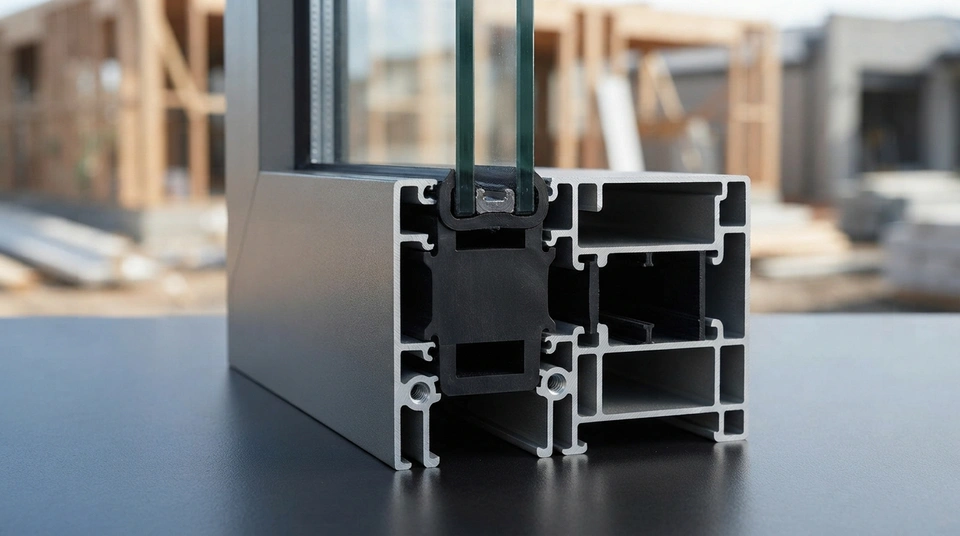
AI-generated illustrative image. Not a product test, certification record or project evidence.
A thermal break is an insulating material, typically a low-conductivity polymer, strategically placed between the interior and exterior sections of an aluminium window frame. Its primary function is to minimise heat and cold transfer through the frame, as aluminium is a strong thermal conductor. This significantly enhances the window's overall thermal performance, crucial for improving energy efficiency and comfort in Australian buildings.
A thermal break is an insulating material, typically a low-conductivity polymer, placed between the interior and exterior sections of an aluminium window frame. Its job is to stop heat moving through the frame, because aluminium conducts heat very well. Without it, the frame becomes the weak link in an otherwise well-insulated window. With it, the frame performs more like uPVC or timber, while keeping the slim profiles and strength that make aluminium popular in Australian projects.
What is a thermal break in aluminium windows?
Thermally broken aluminium uses two separate aluminium profiles joined by a strip of insulating material, usually reinforced polyamide. One profile faces outside, the other faces inside, and the strip between them carries the structural load while interrupting the heat path. That is where the name comes from: the break splits the metal frame so heat cannot travel straight through it.
The numbers explain why this matters. Aluminium conducts heat at roughly 160 W/mK, while polyamide sits near 0.3 W/mK, so the strip slows heat flow hundreds of times compared with a continuous metal frame. A thermal break is a frame fix, not a glazing fix. It does nothing for solar heat gain or daylight; the glass still carries those jobs.
How does a thermal break work?
Manufacturers mechanically join the two profiles, and the width and material of the joining strip decide how well the system performs. Modern high-performance profiles use breaks of 24 mm or wider in reinforced polyamide. The reinforcement matters, because the strip must carry structural load, not just insulate. Polyamide reinforced with 25 per cent glass fibre (PA66-GF25) is the recognised standard material, and plain PVC inserts are worth avoiding, since they can age and deform under load over time.
The break works alongside the rest of the window assembly. Double glazing insulates the glass, low-e coatings and argon fill tune solar performance, warm-edge spacers reduce heat loss at the glass edge, and the break handles the frame. Regulators treat it as its own category too: the NSW BASIX DIY method lists thermally broken aluminium separately from standard aluminium among its recognised frame materials.
What does a thermal break do to window performance?
The measurable answer is the U-value. A bare aluminium frame carries a generic U-value around 12.7 W/m2K, and a quality thermally broken frame brings that down to the 2-4 range. With a high-performance double-glazed unit, whole-window values of 1.8-2.7 W/m2K become routine, which puts the system in the same band as mid-range uPVC. Indicative examples: single-glazed aluminium around 5.5, double-glazed non-thermal aluminium around 3.0, and double-glazed thermally broken around 1.8 W/m2K. Actual tested values vary with profile design, glass, spacers, seals and installation, so treat published figures as a starting point, not a promise.
Condensation behaves differently too. A cold aluminium frame makes a perfect surface for moisture, which is why standard frames show fog and water on winter mornings. A thermally broken frame stays closer to room temperature, so condensation collects less readily and comfort near the window improves. The numbers behind that comfort are not small: research covered by ABC News notes that up to 87 per cent of heat gain in Australian homes comes through windows on hot days, and the Australian Government's YourHome guide puts window heat loss at up to 40 per cent of heating energy.
Thermally broken aluminium vs standard aluminium and uPVC
At the whole-window level, thermally broken aluminium and uPVC are close. A well-specified uPVC double-glazed window runs around 2.0 W/m2K, while a thermally broken aluminium equivalent lands at 2.0-2.7. Aluminium keeps advantages uPVC cannot match: slimmer sightlines, larger opening sizes and higher structural strength, which is why it suits floor-to-ceiling glazing and large sliding doors. uPVC's advantage is upfront price, typically 20-30 per cent cheaper than thermally broken aluminium.
Against standard aluminium, the premium for a thermal break runs 15-30 per cent. In Australian dollars, that puts thermally broken double glazing in the $900-$1,500 per square metre range, against $500-$800 for standard aluminium single glazing and $600-$1,100 for uPVC double glazing. Whole-house jobs tell the real story: retrofit and full fit-out projects commonly land between $18,000 and $55,000 depending on scope and system. One honest caveat from practitioners: the break mainly buys winter conductive performance. For solar heat gain and acoustics it delivers little over plain aluminium double glazing, so cold climates justify the premium far more than mild ones.
Do you need thermally broken windows in Australia?
The honest answer is that it depends on climate and compliance, and both are moving toward yes. The National Construction Code's 7-star energy requirements, plus NatHERS and BASIX modelling, reward low frame U-values, and in many projects upgrading the frame avoids over-specifying the glass. Builders and specifiers increasingly treat thermally broken frames as the default, not the premium, when a project needs to reach 7 stars.
Climate decides how much the premium buys. Melbourne, Canberra, Sydney, Adelaide and Perth, along with elevated and inland areas, have the hot summers and cold winters where frame performance shows up in comfort and energy bills. In mild coastal climates the winter gain shrinks, and standard aluminium still suits budget projects, internal partitions and mild climate zones. Even the Victorian Government's guidance is nuanced: it notes that aluminium frames combining aluminium with timber outperform thermally broken aluminium frames, so the break is one good option, not the only one.
What to look for when buying thermally broken windows
Start with the spec, not the label. Ask three things: the break width, the break material, and the tested whole-window U-value. Breaks under 24 mm may carry the thermal label but perform far less, plain PVC inserts are a red flag, and frame-only U-values flatter the product. Ask for WERS or laboratory-tested whole-window figures, the same numbers your energy report uses.
Installation deserves as much attention as the product. Thermal bridging happens at the junction between the window and the building, so poor installation detailing can undo a good break. A builder's word alone is not evidence either. The buying rule circulating in Australian owner groups is simple: compare the U-values on the windows you are offered before you sign.
Do thermal breaks actually work?
Yes, with limits worth knowing. A thermally broken frame cuts heat transfer through the frame by roughly half compared with standard aluminium, and owners of top European systems confirm the frames still show up as the coldest point in the assembly on a thermal camera. The break narrows the gap between frame and wall; it does not eliminate it.
The strongest evidence comes from Passive House. Passive House windows are thermally broken, airtight and generally triple-glazed with argon fill, and the Australian Passivhaus Association confirms thermally broken aluminium profiles work for triple glazing. For most Australian homes, thermally broken aluminium with low-e argon-filled double glazing reaches 7 stars with margin, and 8 stars in many configurations. Triple glazing adds cost and weight without proportional benefit outside Passive House territory.
Frequently asked questions
Are thermally broken aluminium windows worth it?
For cold-winter climates and projects chasing 7-star compliance, generally yes: the 15-30 per cent premium buys frame U-values near uPVC, better condensation behaviour and easier energy modelling. In mild climates the payback is thinner, and the money may serve better spent on glass.
What is the difference between a thermal break and double glazing?
The break insulates the frame; double glazing insulates the glass. They work together, which is why the phrase 'double glazing is to glass what thermally broken is to aluminium' keeps appearing in industry explanations.
Do thermally broken windows stop condensation?
They reduce it by keeping the frame surface closer to room temperature, but they do not eliminate it. High indoor humidity still condenses on the coldest surface available, which may simply move to the glass edge.
Thermally broken aluminium vs uPVC: which is better?
Comparable whole-window U-values, different trade-offs. Aluminium wins on slim profiles, large openings and strength; uPVC wins on upfront cost and maintenance. Climate and project design decide which matters more.
Do I need thermal breaks in Queensland?
Less often. Queensland is cooling-dominated, so solar control through the glass matters more than frame conduction. Thermal breaks remain useful in inland and southern parts of the state, but a non-thermal aluminium system with good glazing is a reasonable starting point.
For a real project, the right answer comes from the energy report and the glazing schedule, not a generic rule. SMIRO can review your drawings and energy requirements and recommend aluminium window and door systems whose frame and glazing work together for your climate and orientation. Request a quote and we will take it from there.