Cost & Practical Guides
Do Light Window Frames Show Dirt? Cleaning & Caring for Surfmist Powder-Coated Aluminium Window Frames
By Sheng Xu · 30 September 2026
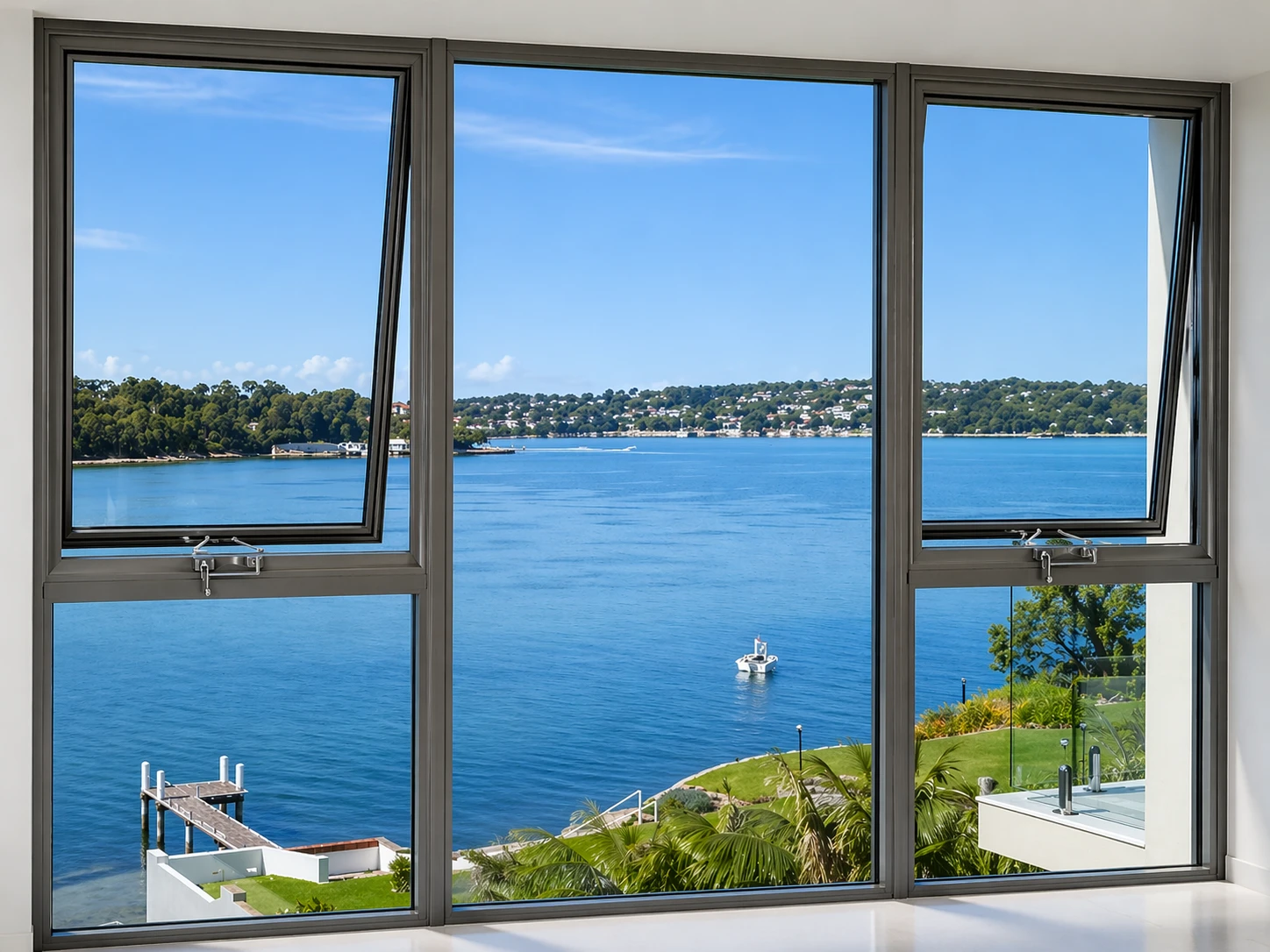
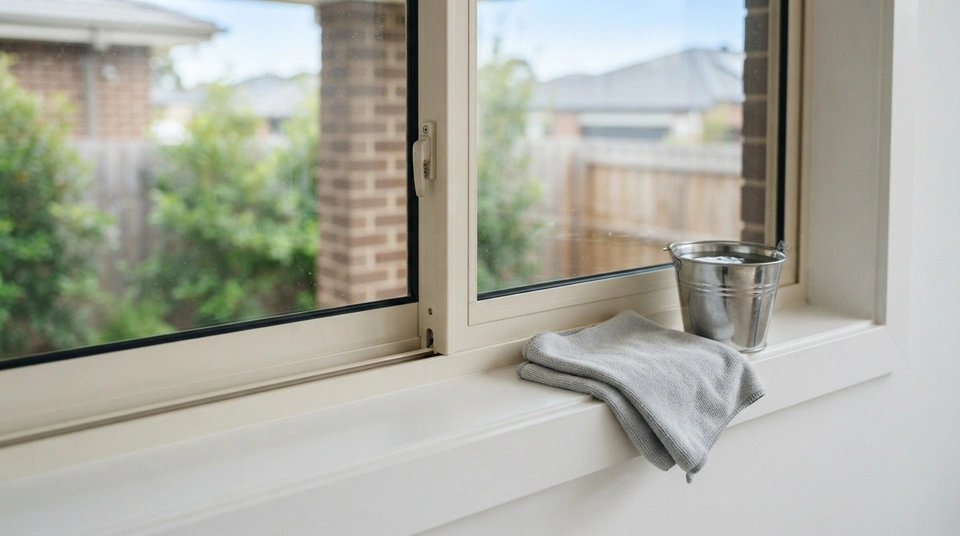
AI-generated illustrative image. Not a product test, certification record or project evidence.
Surfmist and off-white aluminium window frames do not show more general airborne dust than dark frames; in fact, dark charcoal and black profiles reveal pale silica dust, pollen, and dried rainwater spots far more conspicuously. However, light frames make dark organic contaminants like garden soil splashes, spider droppings, and black rubber marks more obvious. Keeping powder-coated Surfmist frames pristine requires gentle washing with a pH-neutral liquid detergent and clean water every three to twelve months, depending on proximity to coastal salt spray.
Homeowners choosing window frame colours often worry that pale finishes like Surfmist require constant upkeep compared to dark charcoal or black profiles. The common fear is that light frames attract stubborn grime, show dingy water stains, and demand exhausting scrubbing. In Australian conditions, however, environmental dirt behaves in the opposite way to what most renovators expect.
Surfmist aluminium window frames do not show general airborne dust, road silt, or dried rain spots nearly as visibly as dark frames like Monument or Matt Black. On dark frames, pale mineral dust and evaporated rainwater leave obvious chalky rings within days of wet weather, behaving like a dark car parked outdoors. By contrast, a soft off-white surface camouflages fine atmospheric dust with ease. Where light frames do require attention is around organic garden splashes, spider droppings, and black rubber seal friction marks, along with the silt that settles into horizontal sliding tracks.
Beyond aesthetics, regular cleaning is a formal requirement for warranty protection. Australian powder coating suppliers like Dulux and AkzoNobel Interpon link their film integrity and colour retention warranties directly to documented maintenance schedules. Adopting the correct washing protocol ensures architectural finishes retain their satin lustre, subtle warm undertone, and protective barrier across decades of intense sun and coastal salt exposure.
The Dirt Paradox: Why Light and Dark Window Frames Show Different Grime
Understanding how environmental dirt interacts with architectural powder coating helps dispel the myth that off-white joinery is high-maintenance. Atmospheric dust across Australian suburbs and regional areas consists mainly of pale minerals, quartz silica, clay particles, and dried sea salt. When these light particles settle on dark charcoal surfaces, the sharp contrast makes dust instantly visible after a single dry, windy day.
Surfmist powder coating carries a subtle warm undertone with gentle grey-green notes that blend naturally with ambient Australian mineral dust. Light dust settling on a Surfmist sill simply does not register from a normal viewing distance. For busy households, this makes light frames remarkably forgiving on upper levels and sheltered elevations where garden soil cannot reach.
The maintenance challenge for Surfmist joinery is concentrated in specific contact zones. Low-level windows near garden beds can catch dark mud splashback during storms. Spider droppings and insect debris produce small dark spots that stand out against pale polyester coatings. Additionally, rubbing black rubber weatherstrips against extrusions can leave dark friction streaks. Understanding these specific deposits allows homeowners to address them with targeted, gentle care rather than aggressive overall scrubbing.
Recommended Cleaning Schedules: Matching Care to Your Environment
Cleaning frequency depends directly on the corrosivity of your local atmosphere. Australian standard AS 4312 categorises atmospheric environments from benign inland zones to severe marine sectors. Coating manufacturers require maintenance intervals tailored to these exposure categories to keep Alumi Shield and Interpon warranties valid.
In benign rural and inland residential areas classified as low corrosivity, washing every twelve months is sufficient. In standard urban and suburban settings exposed to vehicle emissions, frames should be cleaned every six months to prevent combustion particulates from slowly etching the polyester resin matrix.
In coastal regions within one to five kilometres of surf, washing must occur every three to six months. Salt aerosol deposits microscopic sodium chloride crystals on window ledges. If left dry on the metal surface, these salt crystals draw moisture from humid coastal air, creating an aggressive electrolyte solution that accelerates surface breakdown and can initiate crevice corrosion.
Special attention must be given to unwashed sheltered zones under deep eaves, verandas, or balconies where natural rainfall never reaches. In coastal areas, these sheltered ledges accumulate dense salt crusts while exposed walls are regularly rinsed by rain. Trade standards recommend manually hosing or sponging sheltered sills monthly in beachfront environments to prevent salt encrustation.
Step-by-Step Guide: How to Safely Clean Powder-Coated Aluminium Frames
Washing powder-coated window profiles is straightforward, but following the proper sequence ensures the surface is never scratched or chemically degraded. The golden rule across Australian architectural specifications is to treat powder-coated aluminium with the same gentle care you would apply to prestige car paintwork.
Check surface temperature before wetting the joinery. Powder-coated surfaces should never be cleaned when hot to the touch or exposed to harsh direct sun. When metal exceeds twenty-five degrees Celsius, wash water and detergents evaporate rapidly, leaving stubborn soapy mineral streaks. Always clean in the morning, late afternoon, or on an overcast day when extrusions feel cool.
Pre-rinse the frames thoroughly with clean fresh water using a low-pressure garden hose or wet sponge. Never start by wiping a dry, dusty window frame. Windblown grit resting on horizontal sills acts like sandpaper under pressure. Rinsing first floats away loose grit and salt crystals without scratching the satin finish.
Prepare a bucket of lukewarm water with a small amount of mild, pH-neutral liquid detergent, such as standard dishwashing liquid with a pH between five and eight. Using a clean microfibre cloth, soft sponge, or natural bristle brush, gently wipe the extrusions from top to bottom, allowing the solution to loosen atmospheric grime and light marks.
For stubborn marks like dried sap or adhesive tape residue, never use harsh hardware solvents. Dilute isopropyl alcohol or methylated spirits applied sparingly to a clean cloth is the maximum strength solvent permitted under Dulux and Interpon specifications. Always test on a concealed area first, wipe with gentle pressure, and rinse immediately with fresh water.
Rinse the entire frame generously with fresh water to remove every trace of detergent residue, which can attract future dust. Finish by wiping sills and corners with a soft microfibre towel or chamois to prevent tap water mineral spots, leaving the Surfmist finish crisp and bright.
Prohibited Chemicals and Practices That Void Powder-Coat Warranties
More powder-coated frames are damaged by improper cleaning products than by natural weathering. Understanding what never to apply protects both your financial investment and manufacturer warranty coverage.
Aggressive solvents must be avoided entirely. Chemical thinners, acetone, methyl ethyl ketone, turpentine, and citrus degreasers react chemically with polyester powder coatings. These solvents break down the molecular cross-linking of the cured resin, stripping the satin sheen, leaving dull milky patches, and permanently degrading the UV barrier.
Mechanical abrasives represent an equal hazard. Never use steel wool, scouring pads, wire brushes, or abrasive creams on aluminium joinery. These tools cause micro-scratches that trap dark road soot and fungal spores, transforming an easy-care satin surface into a permanently stained finish that attracts ground-in dirt.
An unexpected hazard documented in Australian coating bulletins involves chemical sunscreens. Certain active ingredients in water-resistant sunscreens interact aggressively with architectural powder coats. Sunscreen transferred from hands onto window sills and baked under hot sun can cause irreversible yellowing and finish degradation. Wipe frames immediately if sunscreen contacts the metal.
Finally, avoid using commercial pressure washers directly against residential windows. While gentle hose pressure is safe, high-powered jets can force water past perimeter gaskets and drive moisture deep into wall cavities or internal flashing.
Maintaining Drainage: Clearing Sliding Tracks and External Weep Holes
Sliding aluminium windows rely on an engineered sub-sill channel with external weep holes to manage rainwater. During severe storms, water enters the sill track and rapidly discharges outward through these calibrated weep openings.
Over time, dust, garden mulch, and pet hair settle inside the bottom track, forming a thick slurry when mixed with rain. If this slurry dries, it cakes across weep holes, blocking drainage. During the next heavy downpour, trapped water can overflow across internal timber reveals, skirting boards, and interior flooring.
During regular cleaning, vacuum the sliding tracks using a narrow crevice nozzle. Wipe the track channel clean with a damp microfibre cloth, and gently probe weep hole slots with a soft wooden toothpick to keep them clear. Avoid spraying sticky lubricants onto powder-coated tracks, as residue attracts airborne sand and accelerates roller wear.
Frequently Asked Questions
Can I use vinegar or baking soda to clean powder-coated aluminium frames?
Vinegar and baking soda should be avoided on architectural powder-coated aluminium. Vinegar is acidic and can gradually erode polyester resin binders, while baking soda is mildly abrasive and can micro-scratch satin finishes when rubbed. Safe, effective maintenance requires only warm water and pH-neutral dishwashing liquid.
Does washing aluminium window frames void the manufacturer warranty?
Failing to wash powder-coated frames regularly is actually one of the most common reasons warranty claims are rejected. Dulux and Interpon warranties require purchasers to maintain a regular cleaning regime suited to local corrosivity. Using approved methods with fresh water and neutral detergent preserves your warranty rights.
How do I remove black rubber marks or adhesive tape residue from Surfmist frames?
Black marks from rubber gaskets or tools can be lifted using a soft cloth dampened with dilute methylated spirits or isopropyl alcohol. Apply gentle pressure, avoid vigorous rubbing, and immediately wipe with clean water. Never use scouring pads or nail polish remover.
Why do sheltered window frames near the ocean corrode faster than rain-exposed frames?
Airborne salt spray settles across all external surfaces near the ocean. Rainwater naturally rinses exposed windows, but sheltered ledges under deep eaves never receive rainfall. Salt forms a concentrated crust that draws humidity from sea air, causing accelerated chalking and pitting unless rinsed manually.
Summary Care Protocol for Long-Term Finish Preservation
Caring for Surfmist powder-coated aluminium frames requires no specialised chemicals or hard labour. Because light frames naturally disguise typical Australian mineral dust, homeowners can focus on simple seasonal washing with mild neutral detergent, regular rinsing of sheltered coastal sills, and keeping track weep holes completely clear.
Adhering to this gentle routine protects factory-applied coatings, maintains warranty coverage, and ensures your joinery delivers smooth operation and crisp coastal aesthetics for decades to come.