Glass & Glazing
Is triple glazing worth it compared to double glazing in Australia?
By Sheng Xu · 4 October 2026
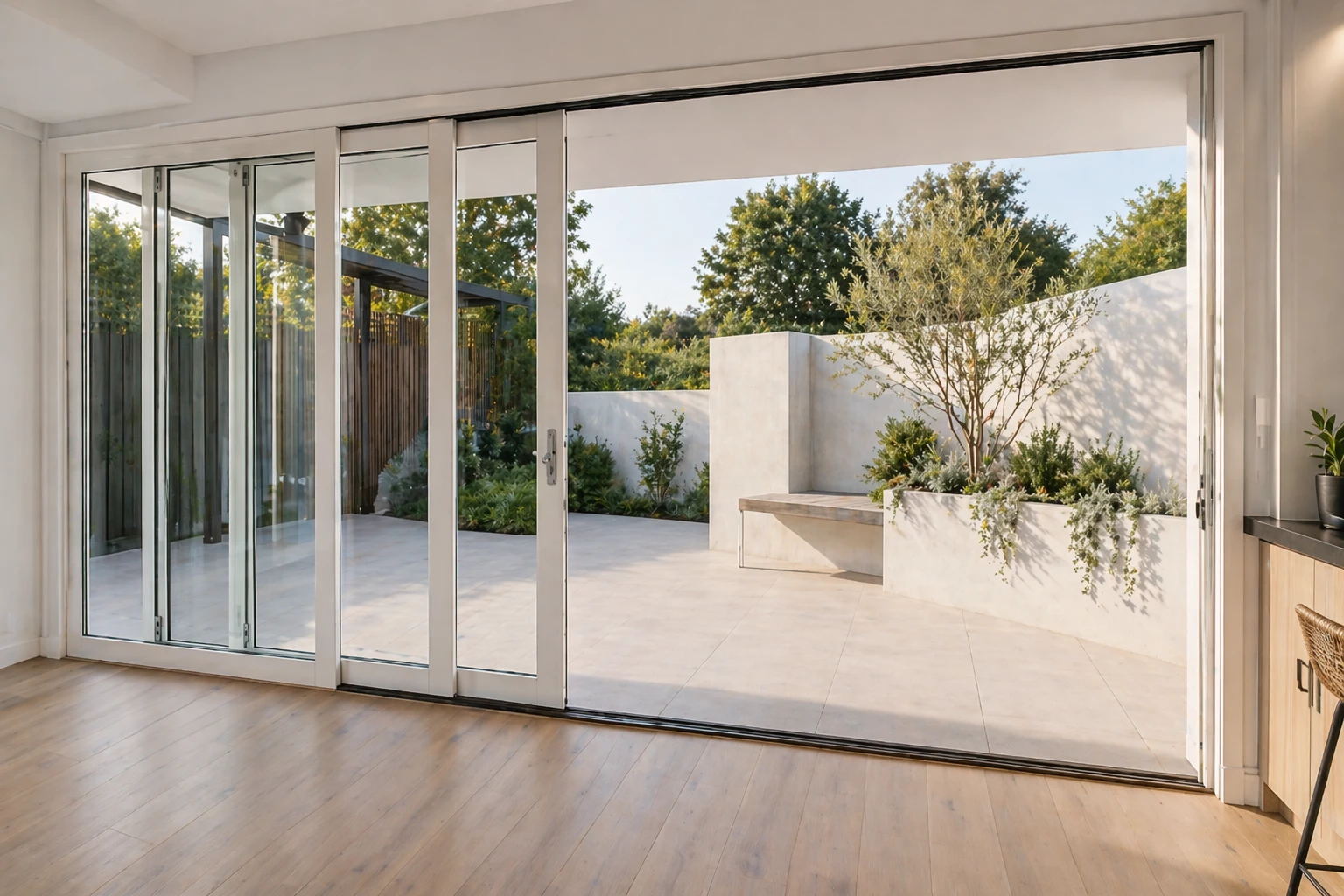
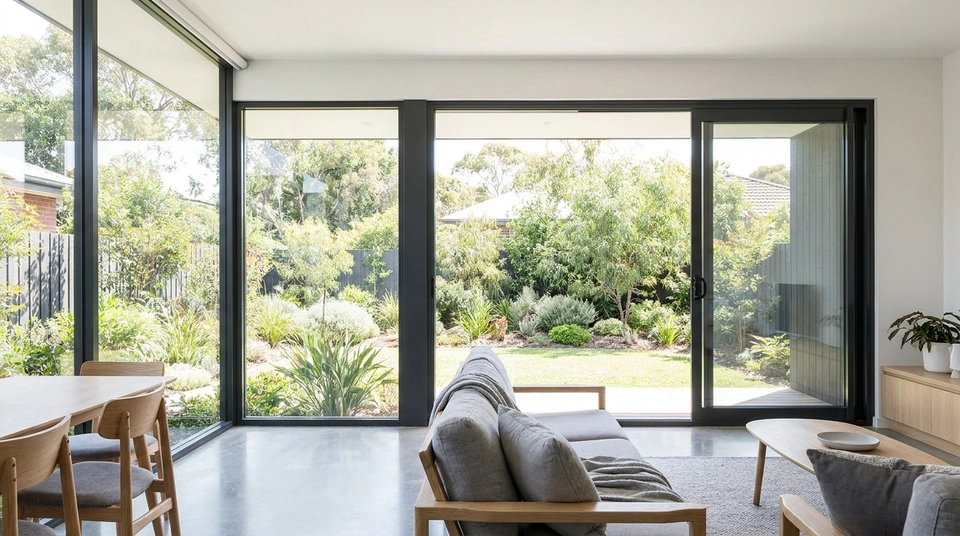
AI-generated illustrative image. Not a product test, certification record or project evidence.
For the vast majority of Australian homes, well-specified double glazing—featuring quality aluminium frames, argon gas fill, and orientation-matched Low-E coatings—is the practical, high-performance sweet spot. Triple glazing adds a third pane of glass and a second sealed cavity, pushing whole-window U-values down to 0.8–1.4 W/m²K. However, due to its 35% to 50% price premium, 50% higher weight (placing strain on operable hardware), and reduced winter solar heat gain on north-facing glass, triple glazing is primarily justified in alpine regions (Climate Zone 8), extreme cold highlands (Canberra/Zone 7), or certified Passive House builds.
In European and North American building cultures, triple glazing has long been the default standard for cold-climate residential envelopes. As Australian building codes tighten under the National Construction Code (NCC 2022) 7-star NatHERS mandates, Australian homeowners and architects increasingly ask whether they should bypass double glazing entirely and specify triple glazing. While triple glazing delivers extraordinary thermal insulation, Australia's climate realities mean that more glass is not automatically better for every home.
For the vast majority of Australian residential buildings, well-specified double glazing—paired with precision-engineered aluminium frames, argon gas, and orientation-matched Low-E coatings—provides the ideal balance of thermal resistance, structural reliability, and cost-effectiveness. Triple glazing is an exceptional engineering solution, but in the Australian market, it is a specialised upgrade tailored to alpine regions, extreme sub-alpine highlands, and certified Passive House projects.
Thermal performance and the law of diminishing returns
The primary case for triple glazing rests on insulation, quantified by the certified whole-window U-value (Uw). A lower U-value represents lower conductive heat transfer through the combined glass and frame assembly.
However, glazing physics is governed by the law of diminishing returns:
• Step 1: Upgrading from standard single glazing (Uw 6.0–6.9 W/m²K) to quality double glazing with Low-E and argon (Uw 1.8–2.4 W/m²K) reduces conductive heat transfer by over 60%. This massive drop of roughly 4.2 W/m²K eliminates perimeter drafts, transforms winter comfort, and resolves room-side condensation.
• Step 2: Upgrading from quality double glazing to triple glazing (Uw 0.8–1.4 W/m²K) yields an incremental reduction of approximately 1.0 W/m²K. While physically meaningful, this second step comes at a 35% to 50% price premium over double glazing.
In freezing climates like central Europe or Canada, where outdoor temperatures remain below zero for four to five consecutive months, that additional 1.0 W/m²K saving compounds rapidly. In mainland Australian coastal capitals—such as Sydney, Adelaide, Perth, or Brisbane—heating seasons are comparatively brief and mild. Under these conditions, the extra investment in triple glazing can take over 20 to 25 years to recoup on energy bills alone.
The north-facing winter solar penalty
In Australian sustainable building design, windows do more than keep cold out—they are active heating elements. Australian passive solar architecture (guided by the Federal Government's YourHome manual) relies on low-angled winter sun penetrating north-facing windows to naturally warm internal concrete slabs and thermal mass.
Clear double glazing allows high Visible Light Transmittance (VLT 75%–82%) and an optimal Solar Heat Gain Coefficient (SHGC 0.55–0.70), allowing abundant natural daylight and free winter warmth into living areas.
Triple glazing introduces a third pane of glass and usually two separate Low-E coatings. Each glass surface reflects a fraction of light and solar energy, dropping VLT to 60%–70% and suppressing SHGC down to 0.20–0.35. On sunny winter afternoons in Melbourne, Canberra, or Adelaide, a triple-glazed north elevation can actually increase heating demands by locking out free solar radiation. In the Australian sun, over-insulating against solar gain can work against your home's seasonal comfort.
The weight penalty and hardware strain
One of the most critical structural realities of triple glazing is physical mass. Architectural glass has a standard density of 2.5 kg per square metre per millimetre of thickness:
• A standard double glazed IGU (5mm + 12mm cavity + 5mm) weighs approximately 25 kg/m².
• A triple glazed IGU (e.g. 5mm + 12mm + 4mm + 12mm + 5mm) weighs approximately 35 kg to 45 kg/m²—representing a 40% to 50% increase in glass load.
On large operable windows and multi-panel sliding or stacker doors, this extra mass places immense continuous strain on tandem rollers, friction stays, hinges, and track extrusions. Unless fitted with heavy-duty commercial hardware and deeper glazing pockets (36mm to 44mm), operable triple-glazed sashes are more prone to mechanical sagging, premature roller wear, and air seal degradation over time.
Acoustic performance: triple glazing vs. laminated double glazing
A common misconception among homeowners is that three panes of glass automatically provide superior soundproofing compared to two. In acoustic engineering, pane count alone does not dictate sound isolation.
When three glass panes of equal thickness are spaced closely together, they create two internal resonance chambers. Symmetrical triple glazing typically achieves a certified sound reduction of Rw 35 to 38 dB. However, an engineered acoustic double-glazed unit—pairing a 6.38mm or 6.5mm acoustic laminated glass pane with an asymmetric 5mm toughened pane across a 12mm argon cavity—delivers identical or superior performance (Rw 36 to 38 dB).
Acoustic PVB interlayers absorb sound vibration and break pane resonance far more effectively than an unlaminated third pane, at a significantly lower cost and without adding unnecessary weight to window sashes.
Where triple glazing is genuinely worth it in Australia
While not required for mainstream suburban homes, triple glazing provides undeniable performance advantages in specific high-demand applications:
1. Alpine Regions (NCC Climate Zone 8): In locations like Thredbo, Perisher, Mt Buller, and Dinner Plain, winter temperatures remain below zero for extended periods. In these true alpine zones, triple glazing prevents massive continuous heat loss and eliminates frost on internal glass.
2. Cold Highlands (NCC Climate Zone 7): Elevated inland regions—such as Canberra, Cooma, Oberon, and the Armidale Plateau—experience severe winter overnight frosts (-5°C to -8°C). In homes with expansive south-facing or unshaded glass, triple glazing delivers exceptional thermal stability.
3. Certified Passive House (Passivhaus) Builds: Passive House certification enforces an airtight envelope and an ultra-low heating demand cap of 15 kWh/m² per year. In cool and cold Australian climates, achieving this standard almost universally requires whole-window U-values below 1.0 to 1.2 W/m²K, making triple glazing mandatory.
4. Expansive South-Facing Facades: South-facing elevations in southern Australia receive zero direct sunlight throughout winter. On large south-facing picture windows, triple glazing eliminates cold convective downdrafts with zero risk of blocking passive winter solar gain.
The fixed window sweet spot: triple glazing done right
If your project calls for triple glazing, fixed aluminium windows (picture windows) are the most practical and structurally sound format to choose.
Because a fixed window has no moving sashes, hinges, or friction stays, the heavy 40kg–45kg/m² triple-glazing load is transferred directly into the structural frame and building studs. There are no rollers to wear out and no perimeter pile seals to degrade. Furthermore, because fixed windows provide 100% airtight sealing, they preserve the ultra-low U-value of the triple unit without losing energy through moving sash gaps.
For luxury residential architecture in cold climates, an optimal strategy is pairing heavy double glazed aluminium fixed windows—or custom triple-glazed fixed view panels—with carefully specified double-glazed operable windows for natural ventilation, balancing thermal excellence with practical longevity.
Frequently asked questions
How much more does triple glazing cost than double glazing?
In the Australian market, triple-glazed windows typically cost 35% to 50% more than equivalent high-performance double-glazed windows. This premium accounts for the third glass pane, additional argon gas cavity, wider thermal breaks, and reinforced structural framing profiles.
Can I install triple glazing into standard double-glazed frames?
Usually no. A triple-glazed IGU requires a glazing rebate depth of 36mm to 44mm, whereas standard residential aluminium frames are extruded to accommodate units between 18mm and 28mm. Triple glazing requires dedicated, heavy-duty window frame extrusions.
Does triple glazing make my home darker inside?
Visible light transmission decreases slightly from roughly 75%–82% in clear double glazing to approximately 60%–70% in triple glazing. While still bright to the human eye, the reduction in daylight and passive solar warmth is noticeable on overcast winter days.