
Cost & Practical Guides
Slimline Aluminium Windows Cost in Australia: What the Slim-Frame Premium Really Buys
By Sheng Xu · 2 October 2026
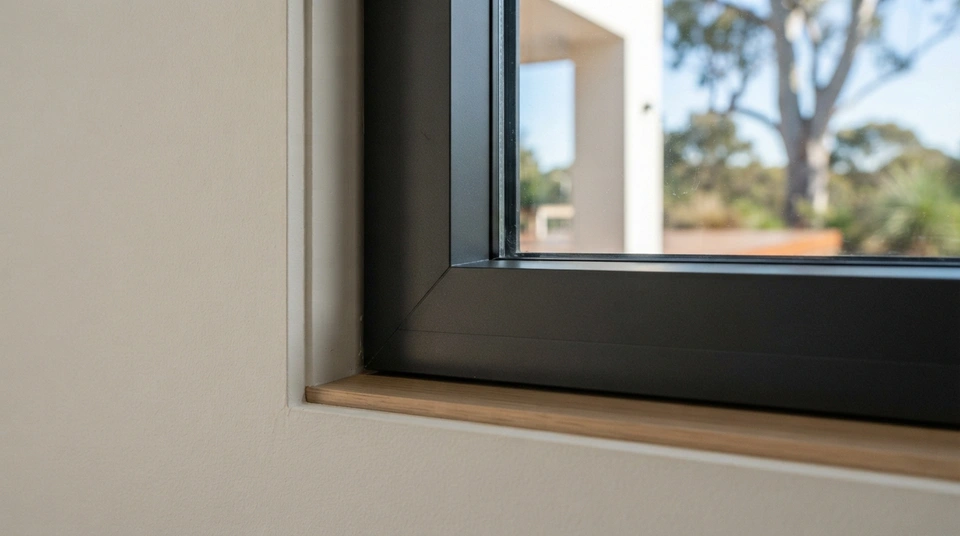
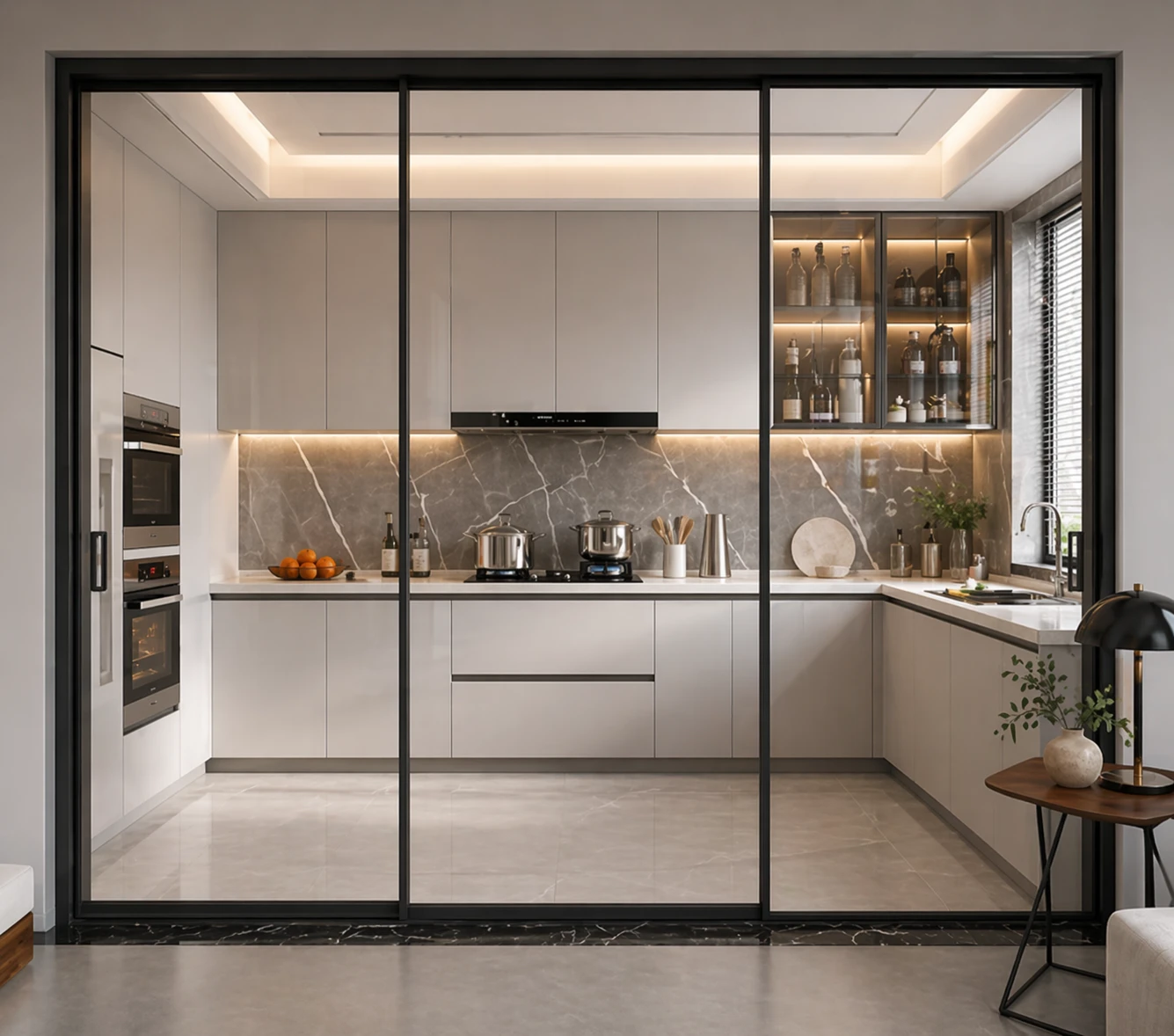
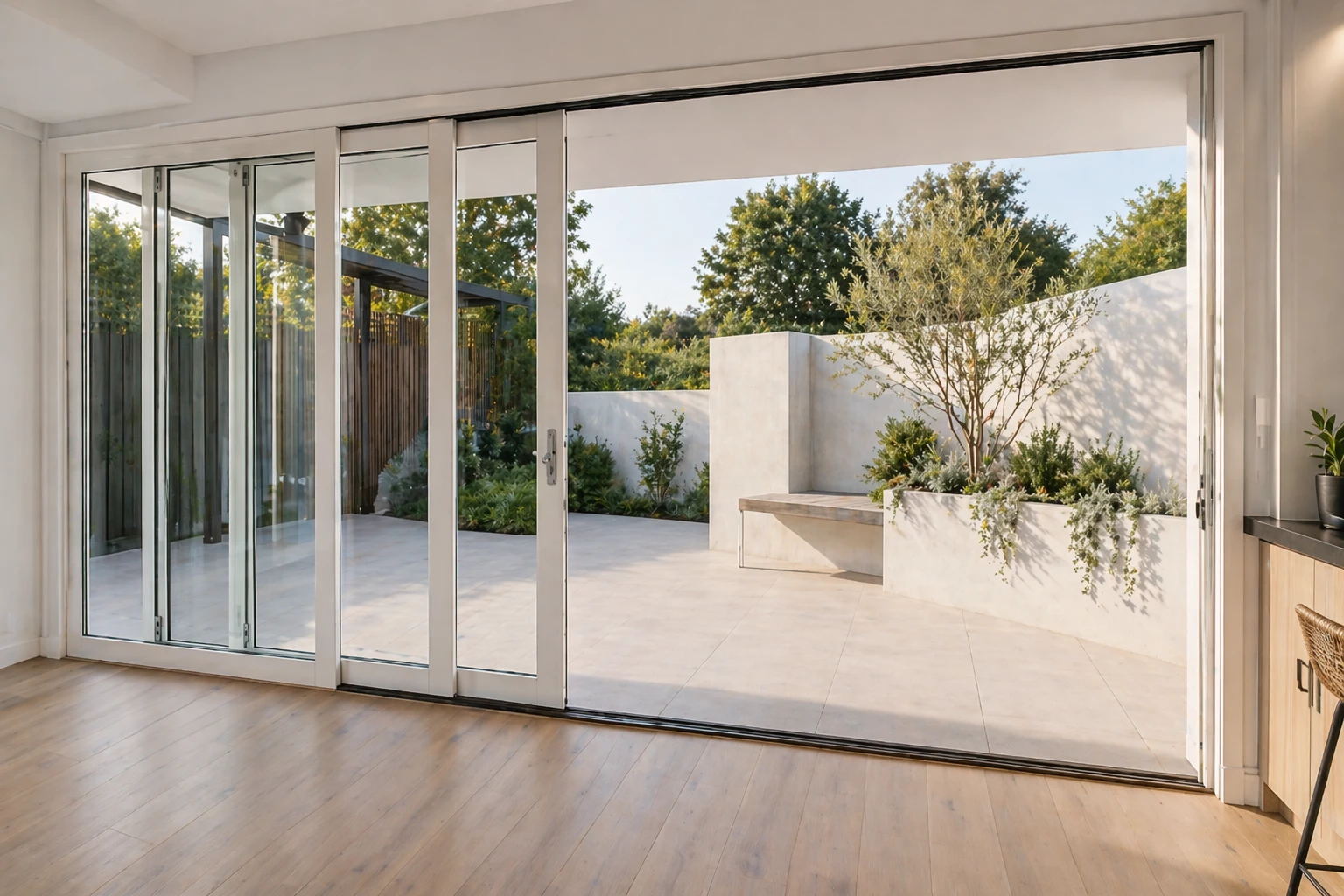
AI-generated illustrative image. Not a product test, certification record or project evidence.
In Australia, slimline aluminium windows typically cost between $600 and $1,200 or more per square metre for supply-only architectural joinery, compared with $450 to $850 per square metre for standard double glazed aluminium. Fully installed retrofit replacements generally range from $900 to $1,800 per square metre. The premium does not stem from less metal, but from the engineering required to stiffen narrow profiles, accommodate heavy double-glazed units, fit thermal breaks, and maintain structural compliance.
When Australian homeowners and architects plan a modern renovation or new build, slimline aluminium windows are frequently specified to maximise natural light, frame expansive landscape views, and deliver clean architectural lines. However, when builder quotes or supplier tenders arrive, buyers are often surprised to discover that windows with less visible aluminium carry a noticeably higher price tag than standard aluminium frames.
This cost gap is known as the slim-frame premium. In the 2026 Australian building market, published pricing rarely isolates this premium cleanly. In reality, a quote for slimline joinery usually rolls together multiple independent technical upgrades: high-grade aluminium alloys, specialized polyamide thermal breaks, high-performance double glazing, and custom architectural powder coats.
To budget accurately, buyers must separate baseline joinery costs from the specific technical drivers that push slim-frame prices upward. This guide examines published Australian trade data, breaks down where the extra money goes, and provides practical advice for evaluating quotes.
Why Slimline Windows Cost More (and Why Nobody Quotes the Premium Cleanly)
A common assumption among first-time renovators is that because a slimline window uses narrower aluminium extrusions, it requires less raw material and should therefore cost less. In architectural window manufacturing, the opposite is true.
Narrowing the visible profile of an aluminium frame drastically reduces its structural moment of inertia. To carry the dead load of heavy double-glazed units and resist lateral wind pressures mandated under AS 2047, fabricators cannot simply trim a standard extrusion. Instead, they must engineer thicker internal profile walls, use higher-temper aluminium alloys, and integrate concealed structural stiffeners.
Furthermore, no Australian standard establishes an official legal definition for what constitutes a slimline window. What one supplier advertises as slimline might feature a 45 mm visible face width, while another supplier uses the term to describe a standard 65 mm frame paired with a reduced 25 mm sliding interlock. Because definitions vary across the industry, published price guides rarely publish a single clean percentage markup for slim frames.
Baseline market costs for standard residential aluminium sliding windows sit between $300 and $700 per square metre supply-only, as detailed in national building cost surveys. Any quote exceeding this baseline reflects deliberate performance or aesthetic upgrades.
What Counts as Slimline When You Read a Quote?
Before comparing pricing across two fabricator quotes, buyers must verify exactly which dimension is being described as slim. A window assembly contains multiple distinct sightline measurements: the perimeter outer frame, the operable sash frame, the central interlock where sliding panels bypass each other, and any structural mullions or transoms.
According to architectural specification benchmarks published by European and British joinery specialists such as Vitrums, a truly slim sliding system generally features a central meeting stile or interlock width of roughly 20 mm to 30 mm. For hinged casement or awning windows, an ultra-slim flush profile typically measures between 60 mm and 70 mm in combined frame-and-sash visible face width.
In contrast, standard residential sliding windows commonly feature meeting stiles of 50 mm to 75 mm and outer perimeter frames of 65 mm to 100 mm. If a manufacturer's quote applies a premium price to a window with an 80 mm visible outer frame and a 60 mm interlock, you are paying architectural rates for standard commercial proportions.
Always request full technical cross-section drawings indicating visible sightlines in millimetres for each component of the window, rather than relying on descriptive marketing labels.
What Published Australian Prices Say (and What They Cannot Tell You)
A review of published 2025 and 2026 pricing across major Australian window fabricators reveals clear pricing tiers, though overlap exists depending on glass specification and sizing.
Australian supplier pricing data from fabricators including EZ Windows and Windows Factory establishes the following baseline supply-only bands for standard residential and architectural joinery:
Standard Single-Glazed Aluminium: $300 to $500 per square metre. Suitable for unconditioned outbuildings or mild climate zones, but rarely compliant with modern 7-star home energy mandates.
Standard Double-Glazed Aluminium (Non-Thermally Broken): $450 to $850 per square metre. The common benchmark for volume home builds across southeastern Australia.
Slimline Architectural Aluminium (Double Glazed): $600 to $1,200 or more per square metre. Characterized by reduced sightlines, heavy-duty tandem rollers, and structural perimeter channels.
Thermally Broken Architectural Aluminium (High-Performance Low-E Double Glazed): $900 to $1,600 per square metre. Combines narrow profiles with an internal polyamide barrier to achieve superior whole-window thermal resistance.
While these figures illustrate general market brackets, published ranges can be misleading because they frequently mix supply-only modular pricing with bespoke custom fabrication. A high per-square-metre rate on a small bathroom window can reflect fixed fabrication overheads rather than an expensive frame system.
Where the Slim-Frame Premium Actually Comes From
The price differential between standard and slimline joinery is driven by five distinct technical factors rather than arbitrary supplier markup.
First, extrusion complexity and alloy selection. Slim profiles require precise die extrusions with intricate internal webbing to maintain rigidity under Australian wind loads. Fabricators often specify 6063-T6 architectural-grade aluminium with thicker internal wall thicknesses to compensate for the reduced exterior profile width.
Second, engineering thermal breaks into confined profiles. Fitting a rigid, insulating polyamide strip into a wide 100 mm commercial profile is mechanically straightforward. Fitting that same thermal break into a sleek 45 mm or 50 mm frame requires high-precision crimping machinery and specialised thermal barrier geometries. Trade pricing from architectural fabricator Meichen indicates that adding advanced thermal breaks to slim joinery typically adds 25 to 45 percent to base fabrication costs.
Third, glazing capacity and structural glass bonding. Standard windows support glass on mechanical glazing gaskets seated within deep frame rebates. Ultra-slim frames often eliminate mechanical beads entirely, using structural silicone bonding where the glass pane itself acts as a diaphragm stiffener for the aluminium sash. This process demands climate-controlled factory bonding and premium sealant compounds.
Fourth, heavy-duty concealed hardware. Because slim frames maximise glass area, individual glass panels are significantly heavier than those in standard windows. Slim sliding systems require heavy-duty stainless steel carriage rollers rated to 200 kg or 300 kg per panel, concealed multi-point locking rods, and flush architectural pull handles designed to fit narrow stile cavities.
Fifth, custom finishes and architectural powder coating. While standard volume windows are stocked in basic commercial colours, slimline systems are frequently finished in premium matte architectural powders complying with AS 3715 or high-durability fluoropolymer coatings. Architectural coaters typically charge a 15 to 30 percent surcharge for custom colour runs or coastal-grade pre-treatments.
How the Premiums Stack: An Illustrative Worked Example
To understand how quote totals escalate, consider a typical residential opening measuring 1200 mm high by 1800 mm wide, giving a total surface area of 2.16 square metres. Examining this opening across specification tiers demonstrates the additive nature of window upgrades.
Tier 1: Standard Residential Slider (Single Glazed, Standard Frame). At an entry-level supply rate of $350 per square metre, the base window costs approximately $756 ex GST.
Tier 2: Standard Residential Slider (Double Glazed, Standard Frame). Upgrading to an insulated glass unit adds approximately 40 percent, bringing the supply rate to $490 per square metre and the unit cost to $1,058 ex GST.
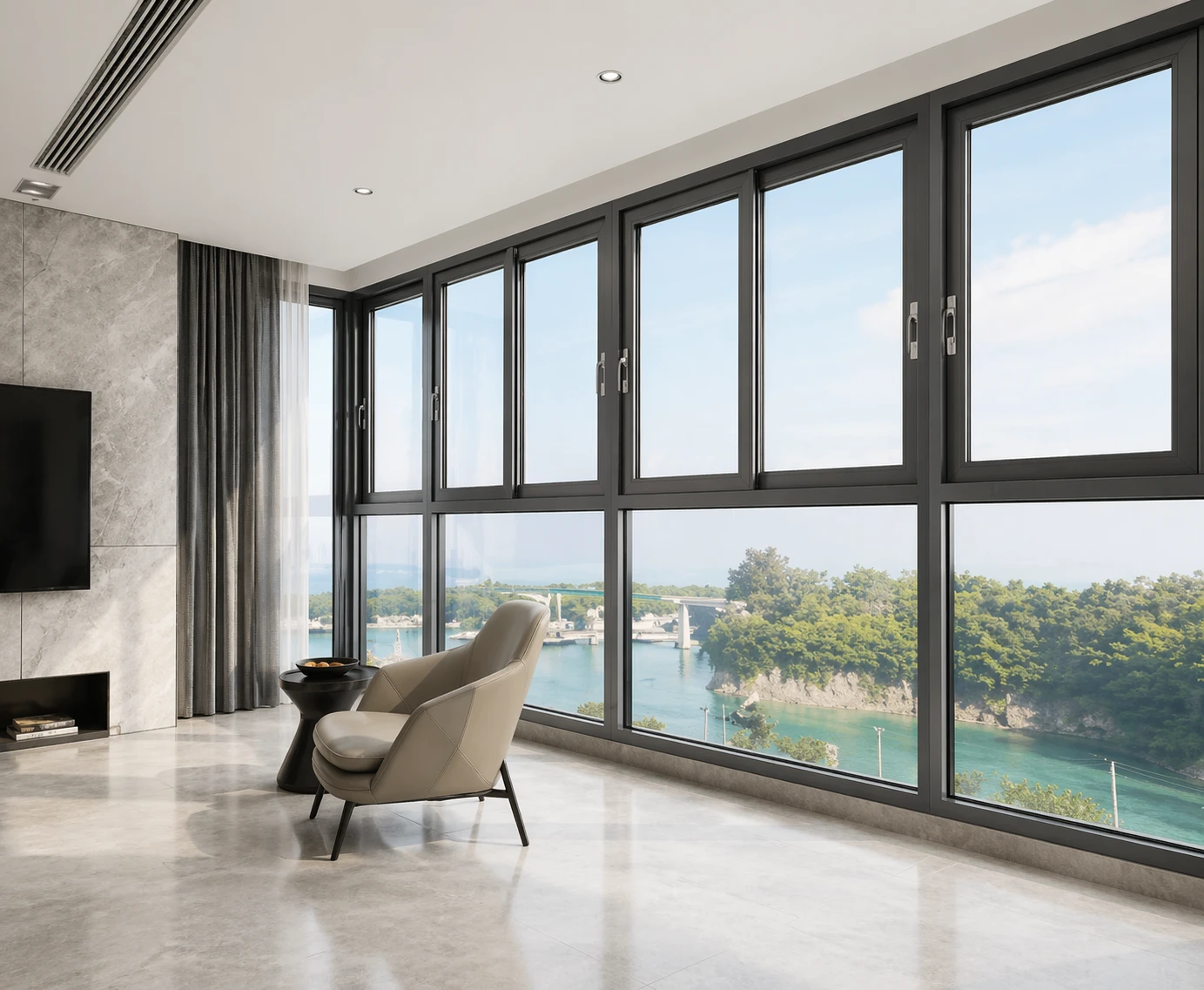
Tier 3: Slimline Architectural Slider (Double Glazed, Narrow Sightline). Transitioning to a slimline profile with a narrow 25 mm interlock and high-capacity rollers brings the supply rate to roughly $750 per square metre, totaling $1,620 ex GST.
Tier 4: High-End Thermally Broken Slimline Slider (Double Glazed Low-E, Architectural Finish). Adding an advanced polyamide thermal break, argon gas fill, soft-coat Low-E glass, and an architectural matte black powder coat lifts the rate to approximately $1,250 per square metre, resulting in a unit supply cost of $2,700 ex GST.
When comparing Tier 2 and Tier 4, the total price difference is more than 2.5 times. Homeowners who assume the entire increase is due to the slim frame overlook the thermal barrier, glass performance coatings, and heavy hardware bundled into the final specification.
Installation Labour Costs: New Builds vs. Retrofit Replacements
Purchasing joinery supply-only represents only one component of your total expenditure. Installation labour varies substantially depending on whether the windows are installed into a new timber frame or retrofitted into an existing home.
In new construction projects, licensed carpenters typically charge $150 to $350 per window opening to secure the frames into open studwork, install perimeter flashing membranes, and level the sills. Because framing cavities are accessible, installation proceeds rapidly.
For retrofit replacement projects in established brick-veneer or double-brick homes, turnkey installation costs rise to $400 to $900 per opening. Retrofit work requires carefully deconstructing the old timber or metal frames, protecting internal plasterboard, clearing debris, replacing deteriorated timber reveals, injecting expanding insulation foam, and fitting new perimeter architraves.
Slimline windows also demand tighter installation tolerances. Because sightlines are narrow, frame out-of-square deflections as small as 2 mm can cause panel binding or air leakage. Experienced window installers allocate additional time to laser-level and pack slimline frames, which can add a 10 to 20 percent labour premium over standard installations.
When the Premium Is Worth Paying (and When It Is Not)
Investing in slimline aluminium windows delivers tangible lifestyle and aesthetic benefits, but applying them indiscriminately across an entire home can strain building budgets unnecessarily.
Slimline profiles deliver the highest return on investment in primary living areas, open-plan kitchen zones, and dining rooms that open onto gardens, pools, or scenic views. In these spaces, narrow sightlines eliminate visual clutter, maximize daylight penetration, and blur the threshold between indoor and outdoor living.
Conversely, specifying premium slimline joinery in secondary utility zones such as laundries, walk-in pantries, powder rooms, or secondary bedrooms rarely justifies the cost. Standard aluminium sliding windows with standard sightlines perform identically from an acoustic and structural standpoint while saving thousands of dollars across a whole-home window schedule.
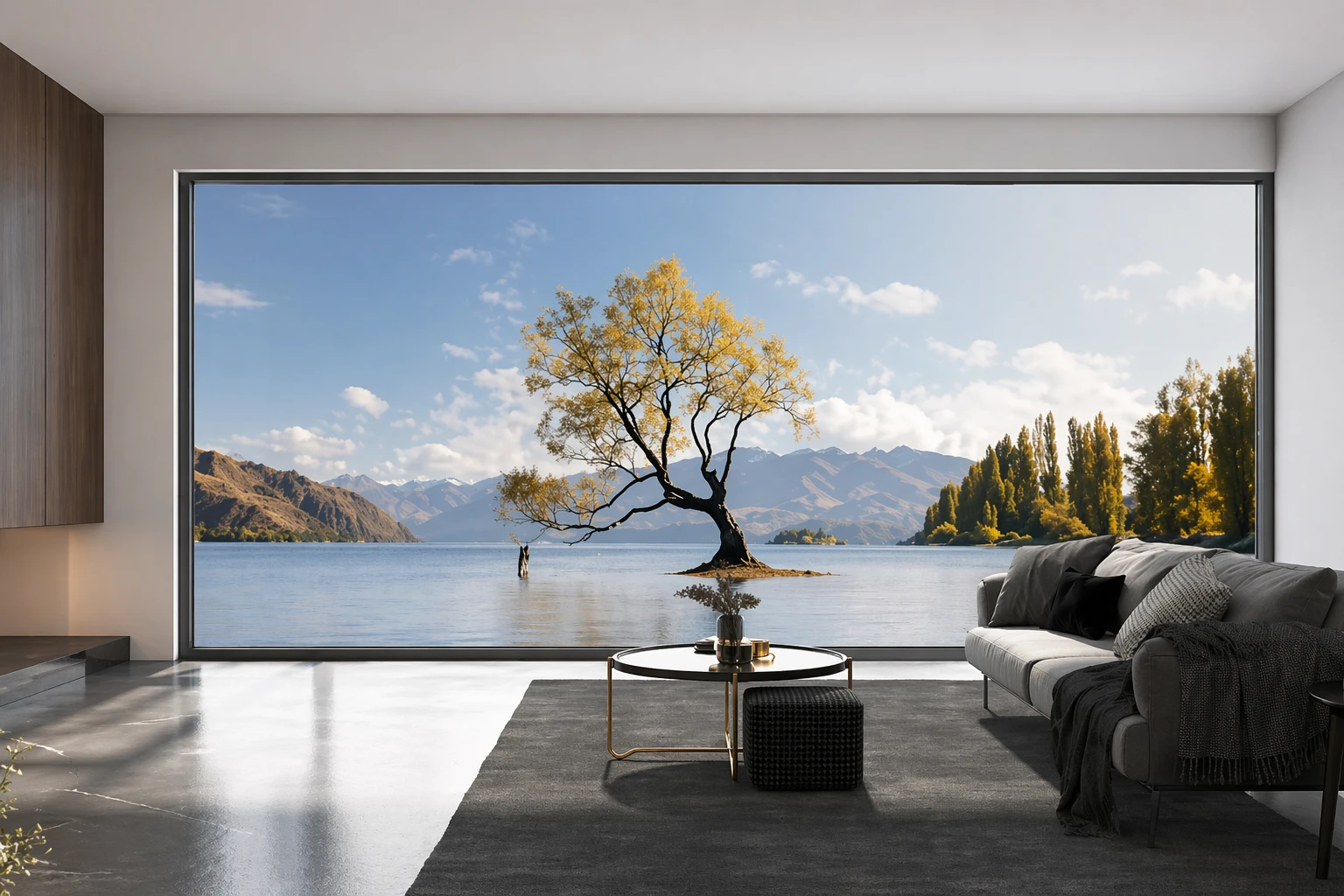
For homeowners seeking the ultimate minimalist sightline on a budget, fixed windows offer a highly cost-effective strategy. Because fixed picture windows contain no moving sashes or sliding tracks, their perimeter frames are naturally narrower than any operable window, delivering pristine sightlines at standard residential pricing.
Frequently Asked Questions
Are slimline aluminium windows more expensive than standard aluminium windows?
Yes. Slimline aluminium windows generally cost 20 to 50 percent more than standard residential aluminium windows of equivalent dimensions. The higher cost reflects reinforced structural aluminium extrusions, heavy-duty rollers, precision hardware, and the complex engineering required to fit double glazing and thermal breaks into narrower profiles.
How much do slimline aluminium windows cost per square metre in Australia?
In Australia, supply-only slimline aluminium windows typically range from $600 to $1,200 per square metre for double-glazed units, increasing to $900 to $1,600 per square metre for thermally broken systems with high-performance Low-E coatings. Turnkey supply and installation for retrofit projects ranges from $900 to $1,800 or more per square metre.
Is the extra cost for slimline windows just for the narrower frame?
No. The narrow profile itself represents only part of the price increase. Because slim frames expose a larger glass area, they carry heavier glass units that require upgraded carriage rollers, multi-point lock mechanisms, and structural silicone bonding, all of which contribute to the final quote.
How much does a thermal break add to the cost of a slimline window?
Integrating a polyamide thermal break into a slimline aluminium frame typically adds 25 to 40 percent to the supply-only cost of the joinery. While thermally broken frames require a higher initial investment, they are essential in cooler and mixed Australian climate zones to prevent condensation and satisfy NCC 2022 7-star energy standards.
Are slimline aluminium windows cheaper than genuine steel windows?
Yes. Traditional hot-rolled architectural steel windows cost between $1,500 and $3,500 per square metre in Australia, making them two to three times more expensive than slimline aluminium. Thermally broken slimline aluminium with steel-look glazing bars delivers the visual aesthetic of steel at a substantially lower cost and with superior thermal performance.
Practical Tips for Comparing Window Quotes
When reviewing competitive joinery tenders, ensure you compare quotes on an identical technical baseline. Request itemised quotes separating supply-only joinery from site installation, reveal liners, delivery, and crane hire.
Always ask suppliers to state visible sightline dimensions in millimetres for both perimeter frames and sliding interlocks. This ensures you are paying for genuine architectural engineering rather than standard residential joinery marketed under a slimline label.
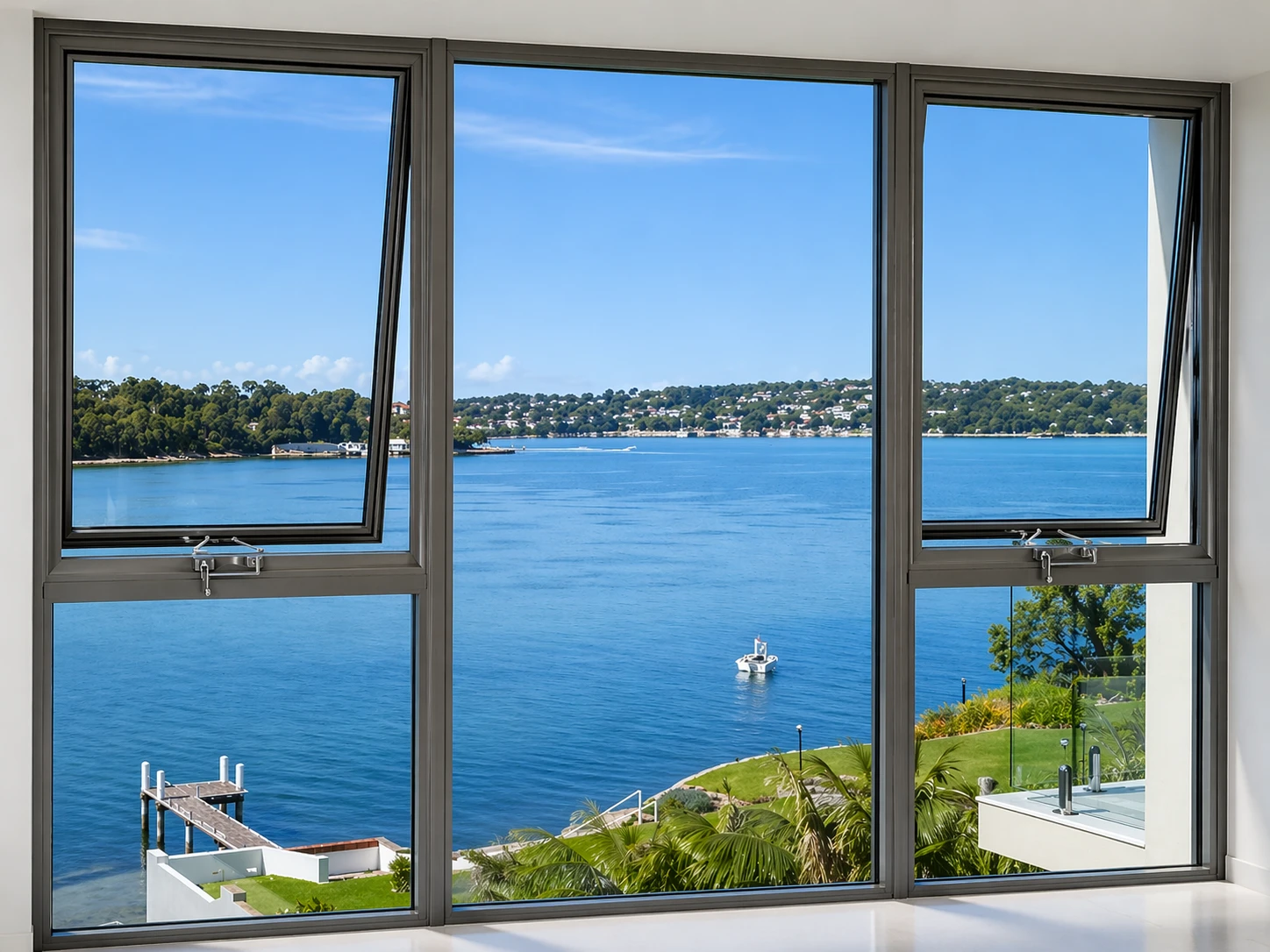
Finally, balance your window schedule by pairing slimline operable sliders and awning windows with high-efficiency fixed picture windows in non-traffic areas to achieve an expansive, light-filled aesthetic within your overall construction budget.
Our Products
Fixed Windows
View system
Awning Windows
View system
Sliding Windows
View system
Sliding Doors
View system
Stacker Doors
View system