Glazing Performance
What is SHGC?
By Sheng Xu · 8 July 2026
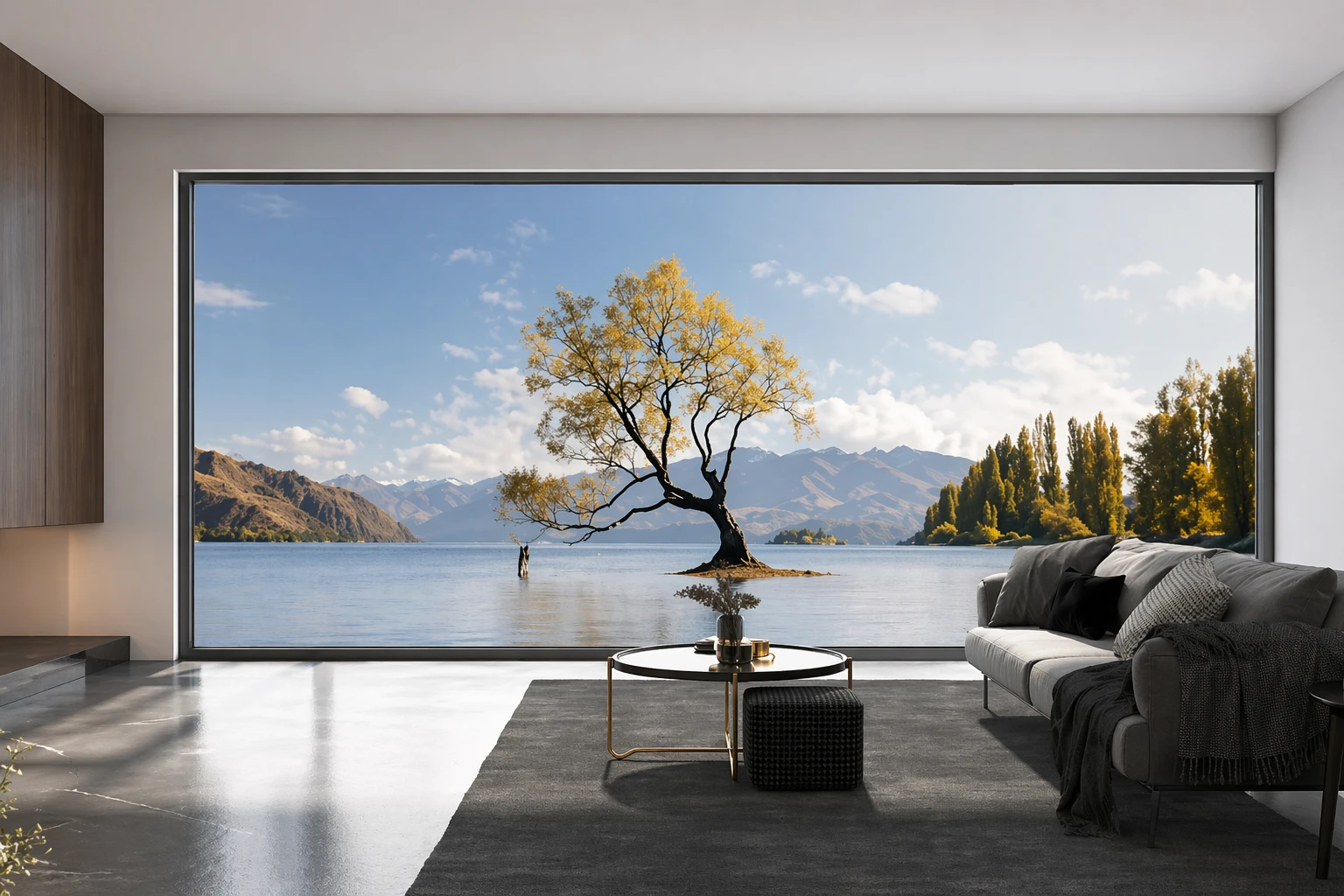
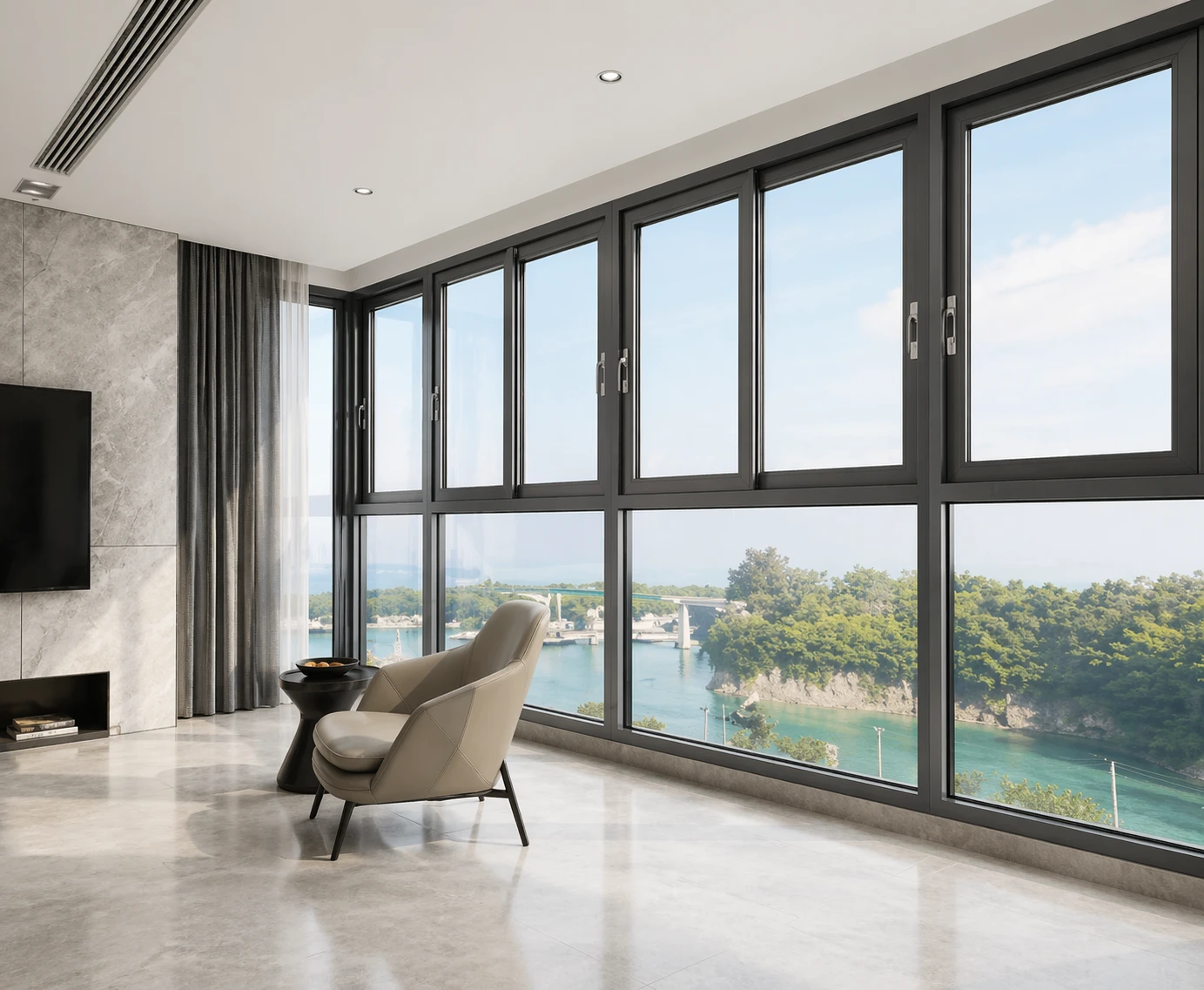
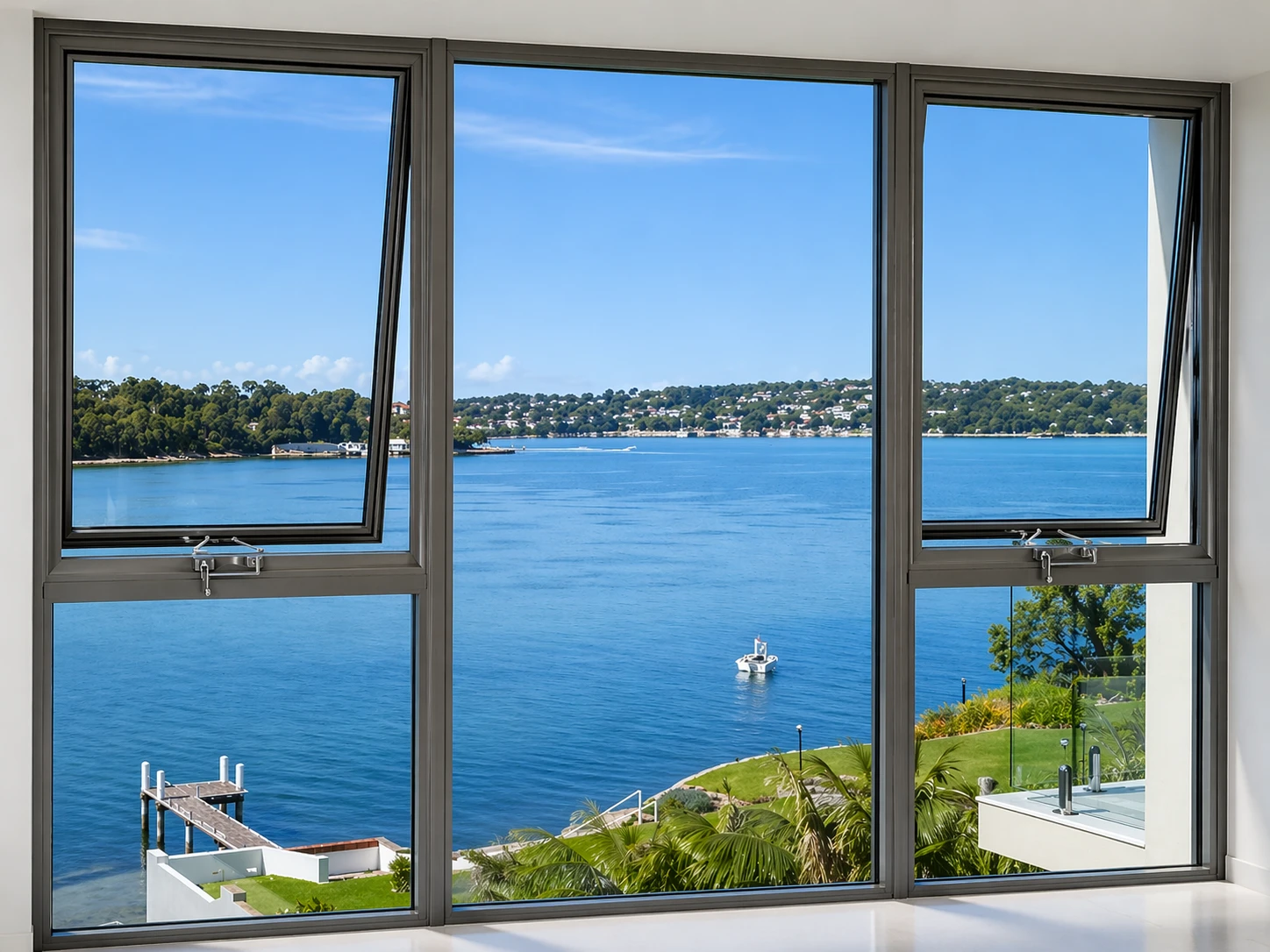
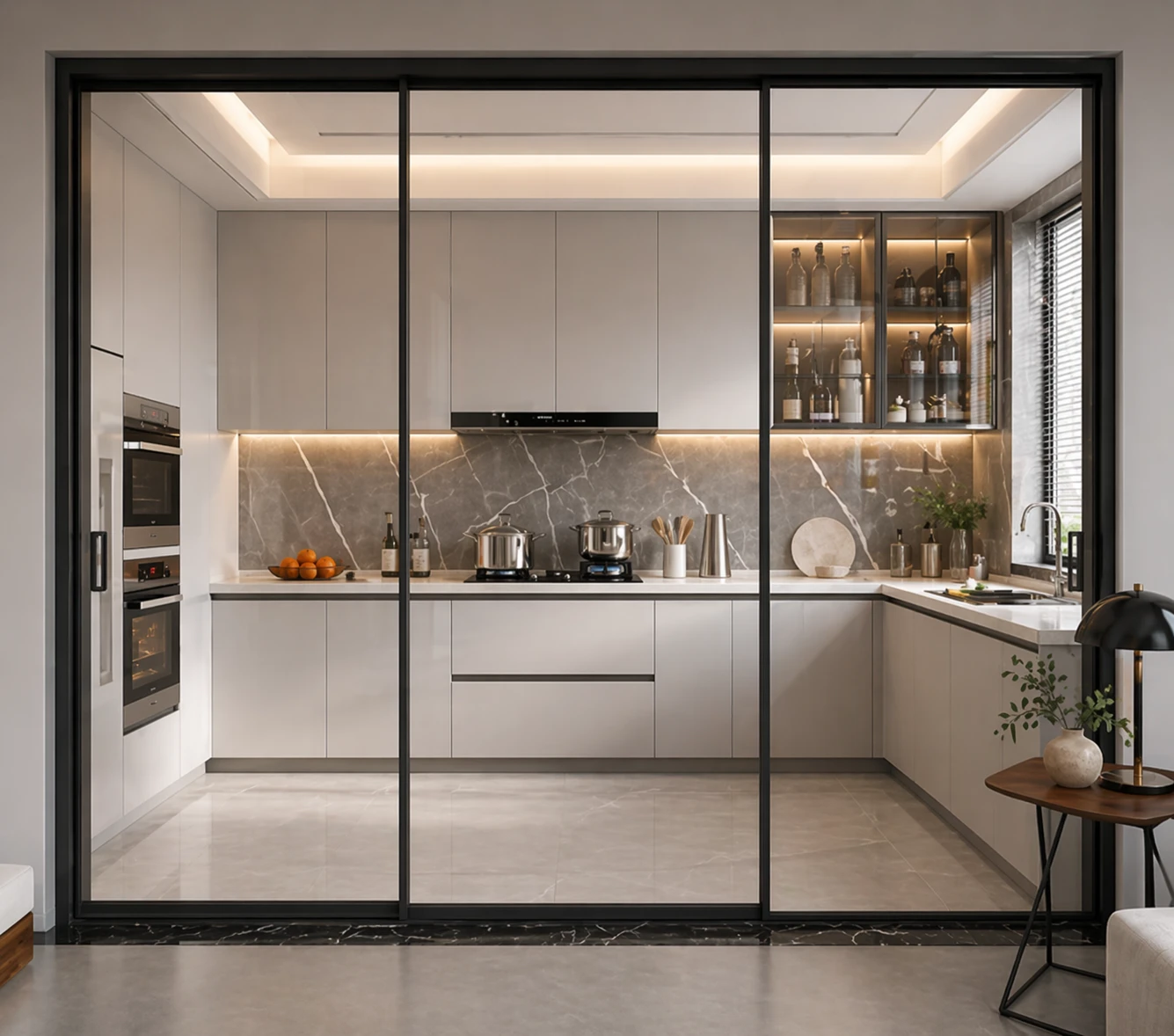
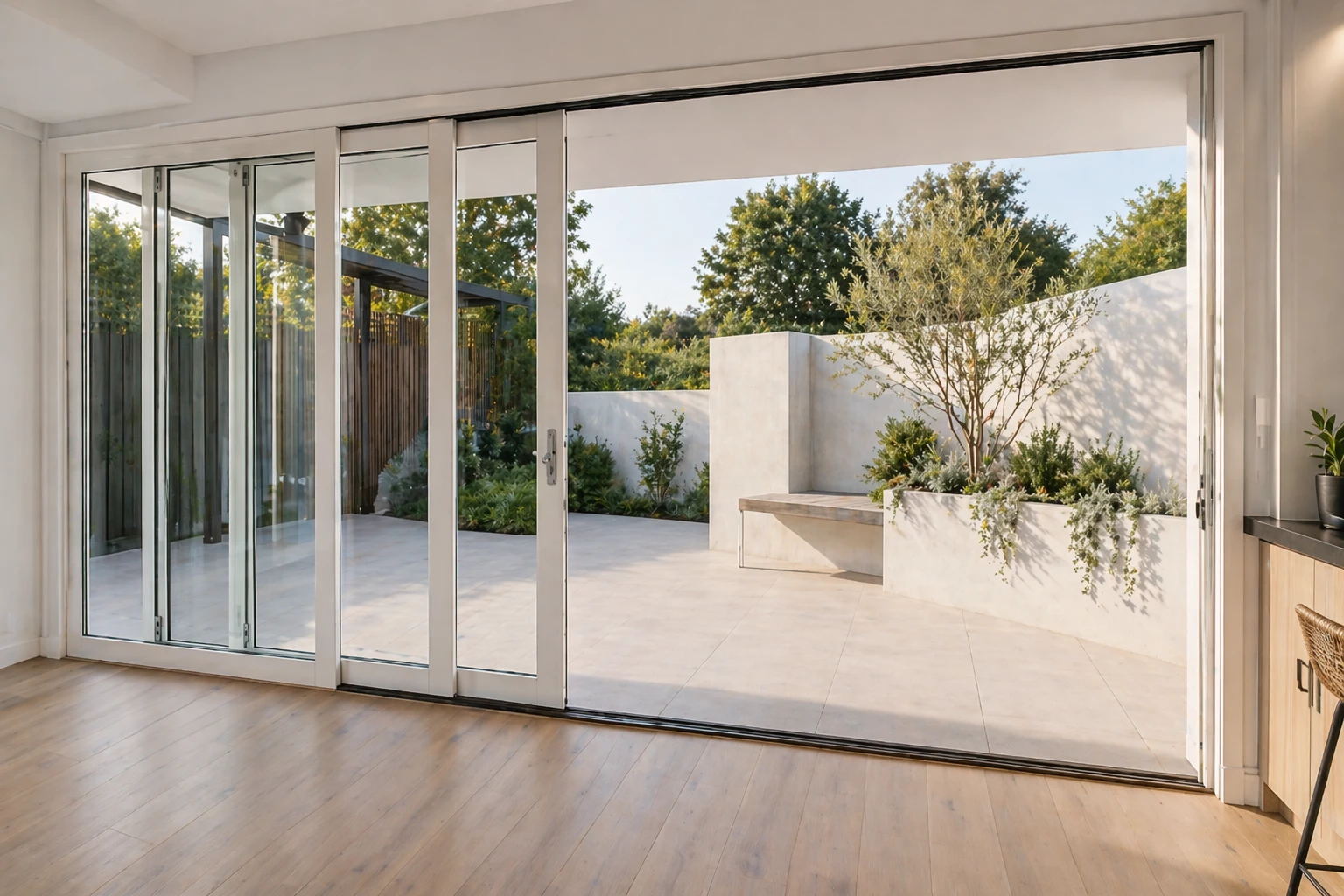
AI-generated illustrative image. Not a product test, certification record or project evidence.
The Solar Heat Gain Coefficient (SHGC) measures how readily solar heat passes through an entire window or door system, including both the glass and the frame. Expressed as a decimal between 0 and 1, a lower SHGC means less solar heat is transmitted. It is a 'whole window value' that is central to NCC compliance and WERS ratings across Australia's varied climates.
When you compare windows and doors for an Australian project, SHGC is one of the two numbers that matter most, alongside U-value. Short for Solar Heat Gain Coefficient, SHGC describes how much of the sun's heat a window lets through, while U-value describes how well the window insulates. Understanding it helps you read energy reports, compare glazing options, and specify a system that suits the climate and orientation of a real site.
What is Solar Heat Gain Coefficient?
The Solar Heat Gain Coefficient is the fraction of solar radiation striking a window that ends up as heat inside the room. It includes sunlight transmitted directly through the glass as well as heat absorbed by the glass and frame and later released inward. The result is expressed as a decimal between 0 and 1: a value of 0.30 means about 30 per cent of the solar energy hitting the window enters the building, while the rest is reflected or re-radiated outside.
The coefficient deals only with radiant heat from the sun. Heat that conducts through a window because one side is hotter than the other is a separate mechanism, measured by U-value. The distinction matters in Australia, where direct summer sun on glass is often the single biggest driver of overheating and air-conditioning costs.
How is SHGC calculated?
In Australia, the value is determined under the protocols of the Australian Fenestration Rating Council (AFRC), the same framework referenced by the National Construction Code. Products are rated as a complete assembly, so the published figure accounts for the combined effect of the glass and the frame, not the glass alone. Different assessors may label the result slightly differently — 'SHGCw' or 'Total System SHGC' — but they all describe the same whole-of-window value.
This whole-window basis is why identical glass can produce different rated values in different window systems: the final number is an area-weighted outcome of the glass, the frame and their proportions in the assembly. On a WERS rating you will see it published alongside U-value, visible transmittance and air infiltration — an example certificate in AGWA's compliance guide lists a U-value of 3.7 and an SHGC of 0.41 for a generic rated window.
What does a low SHGC mean?
A low SHGC means the window blocks most of the sun's heat. Research for Sustainability Victoria treats values below 0.50 as low, and Australian solar-control glazing reaches down to about 0.15. A window rated at 0.20 admits only about a fifth of the solar heat striking it, which keeps rooms cooler through summer and eases the load on air conditioning.
A low SHGC is not automatically better, though. The same property that blocks unwanted summer sun also blocks free winter warmth. That is why the right value depends on climate, orientation and shading rather than a universal target.
Low SHGC vs high SHGC
Rated Australian window systems span a wide range: real-world values run from about 0.75 for clear single glazing down to about 0.15 for strong solar-control glass. Where a project should sit on that spectrum depends mostly on whether the local climate is dominated by cooling or by heating.
When a low value works best
In hot and warm-humid regions, and on any facade that receives long hours of direct sun, a low SHGC keeps solar heat out and reduces cooling energy. Australian research has found that in cooling-dominated climates a low value is usually optimal, which is why solar-control glass earns its keep on exposed east- and west-facing openings in Queensland.
When a higher value helps
In cool-temperate regions, a higher SHGC turns north-facing glass into a source of free winter heating. Research for Sustainability Victoria notes that in heating-dominated climates the winter benefit of solar gain usually outweighs the extra summer cooling energy, provided external shading keeps the summer sun under control.
SHGC vs U-value
SHGC and U-value answer different questions: one measures how much radiant heat from the sun passes through the window, the other how quickly heat conducts through the whole assembly whenever inside and outside temperatures differ, day or night, sun or no sun. A window can insulate superbly and still overheat a room if its solar heat gain is too high for a sun-exposed wall — and the reverse is equally possible.
Australian energy reports specify both values together, and a compliant window must satisfy both at once. If you want the insulation half of the story, our companion guide to U-value covers it in the same practical terms.
How climate affects SHGC selection
The National Construction Code divides Australia into eight climate zones, and WERS groups the country into cooling, mixed and heating climate areas for window selection. There is no single 'good' SHGC across them: the right value depends on your zone, the orientation of each facade, and any shading from eaves, verandas or nearby structures.
Cooling-dominated climates
In warmer, cooling-dominated regions, a lower SHGC is usually preferred. Limiting solar heat gain reduces the load on air conditioning through summer and helps keep interiors comfortable. This is often the priority on east and west-facing glass that copes with low-angle sun.
Heating-dominated climates
In cooler, heating-dominated regions, a higher SHGC can be an advantage. Allowing more free solar warmth inside during winter reduces heating demand, provided summer sun is managed with appropriate external shading.
SHGC for Queensland and Brisbane homes
Brisbane and most of south-east Queensland sit in NCC climate zone 2, with tropical zone 1 to the north and hot inland zone 3 to the west — all climates where cooling dominates. For most Queensland projects the priority is limiting solar gain: lower-SHGC glass on unshaded east and west elevations, with more freedom on openings protected by deep eaves or verandas. Winters are mild, so the case for chasing high winter solar gain is far weaker here than in the southern states.
How window orientation affects SHGC
Orientation decides how hard each window works. In the southern hemisphere, north-facing glass receives high-angle summer sun that eaves can shade, plus useful low-angle winter sun. East- and west-facing glass is the difficult case: low morning and afternoon sun slips beneath eaves and drives short, intense heat peaks, which is why these facades usually justify the lowest SHGC in the house. South-facing glass sees little direct sun, so its rating matters least.
Shading and solar control also work together in compliance. The NCC's calculation methods credit shading projections such as eaves, verandas and canopies, reducing the level of solar control demanded of the glass itself. Designing shading and glazing as a pair often delivers a more comfortable, better-daylit result than relying on dark glass alone.
SHGC for aluminium windows
Because SHGC is a whole-of-window value, the frame is part of the equation. An aluminium frame transmits very little solar radiation itself, so the glazed area does almost all of the work: the rated figure for an aluminium window largely reflects the glass selection and the glass-to-frame ratio of the design.
Slim aluminium profiles maximise glass area, which pulls the whole-window value closer to that of the chosen glass and makes glass choice the main solar-control lever in an aluminium system. Features such as thermal breaks chiefly improve U-value rather than solar gain, so even a well-insulated aluminium window still needs the right glass to manage strong Queensland sun.
SHGC for fixed and sliding windows
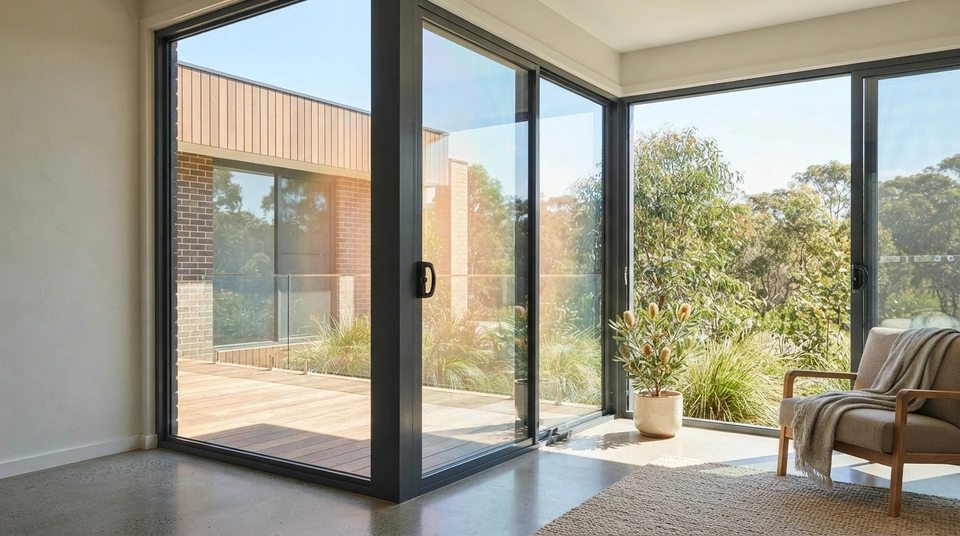
Window style shifts the numbers too. A fixed window has no operable sash, so more of the opening is glass and its whole-window SHGC sits closest to the glass value. A sliding window or sliding door adds meeting stiles and interlocks, increasing the frame share of the opening and typically nudging the whole-window figure slightly lower with the same glass.
In practice this cuts both ways. Fixed picture windows and large sliding or stacker doors concentrate the biggest glass areas in a home, so glass selection matters most on these products — especially on west-facing living spaces. It also means two differently styled products glazed with identical glass can carry different rated values, which is why systems should be compared on rated whole-window figures rather than glass brochures.
How to choose the right glass
Start with the energy report rather than a generic target. AGWA's compliance guidance is specific: the U-value of the selected window must be lower than or equal to the specified figure, while the SHGC must fall within 10 per cent of the specified value — in either direction, because both too much and too little solar gain can undermine the energy model behind the report.
From there, glass moves the numbers in predictable directions. Clear glass sits at the high end of the range; tints and low-e coatings progressively reduce solar gain; and adding a second pane slightly lowers solar gain while substantially improving U-value. Check visible transmittance at the same time, so that solar control does not come at the cost of dark interiors — low-e glass in particular can cut heat gain while keeping daylight high.
Frequently asked questions
What is a good SHGC for Queensland homes?
Most of Queensland is cooling-dominated, so lower values are generally preferred, particularly on unshaded east- and west-facing glass. There is no universal number, though: the energy report for your project sets the target for each elevation, and shading, orientation and room use all shift what is sensible for an individual opening.
Is a higher or lower SHGC better?
Neither is better in isolation. A lower SHGC blocks unwanted summer heat and suits cooling-dominated climates, while a higher one harvests free winter warmth and suits heating-dominated climates. Australian research frames it exactly this way, so the answer always starts with your climate zone and the orientation of each facade.
Does SHGC apply to the whole window or just the glass?
The compliance value is always a whole-of-window figure. Under the AFRC rating protocols referenced by the NCC, the published figure must account for the combined effect of the glass and the frame. Glass-only, centre-of-glass numbers can look better on paper, so always compare rated whole-window values when assessing products.
Does tinted or low-e glass change the SHGC?
Yes. Tints absorb part of the sun's energy and low-e coatings reflect part of it, so both reduce SHGC compared with clear glass. Low-e options are often preferred where daylight matters, because they can lower solar heat gain while keeping visible light transmittance comparatively high.
What is the difference between SHGC and visible light transmittance?
SHGC measures the share of the sun's total energy that enters a room as heat; visible transmittance measures only the share of visible light that passes through. WERS ratings publish both. Reading them together shows whether a glass achieves solar control selectively, or simply by being dark.
For a real project, the SHGC you need is set by the energy report and the specific glazing schedule, not by a generic target. SMIRO can review your drawings and energy requirements and recommend aluminium window and door systems whose rated performance values suit each orientation and climate zone — request a quote and we will take it from there.